


【老师课件PPT及UP主全英文整理】第二课:L2-课程基本前提
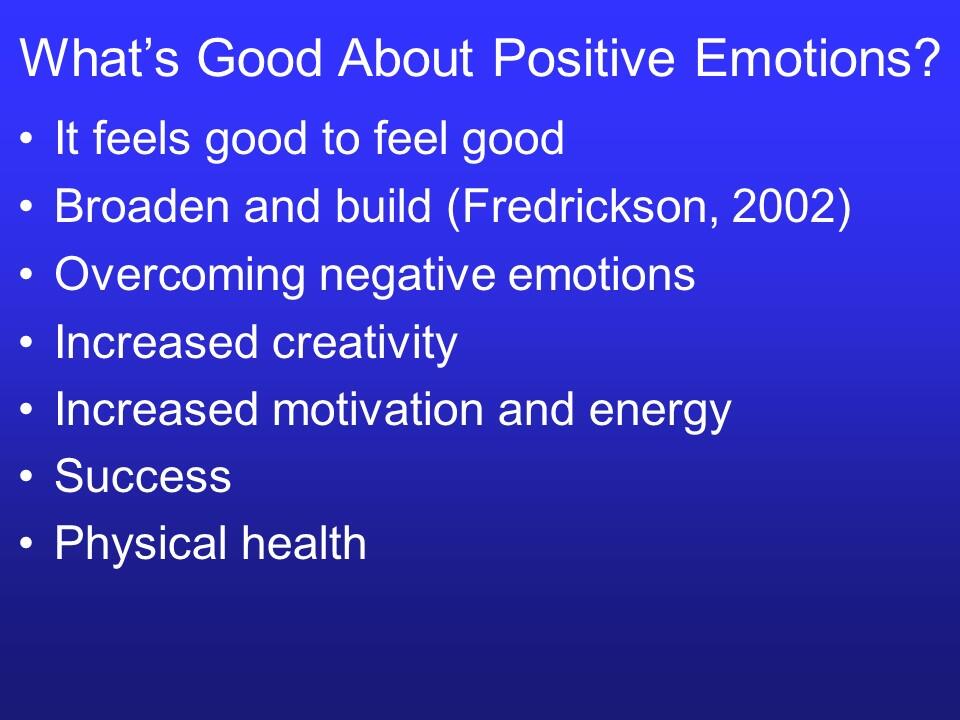
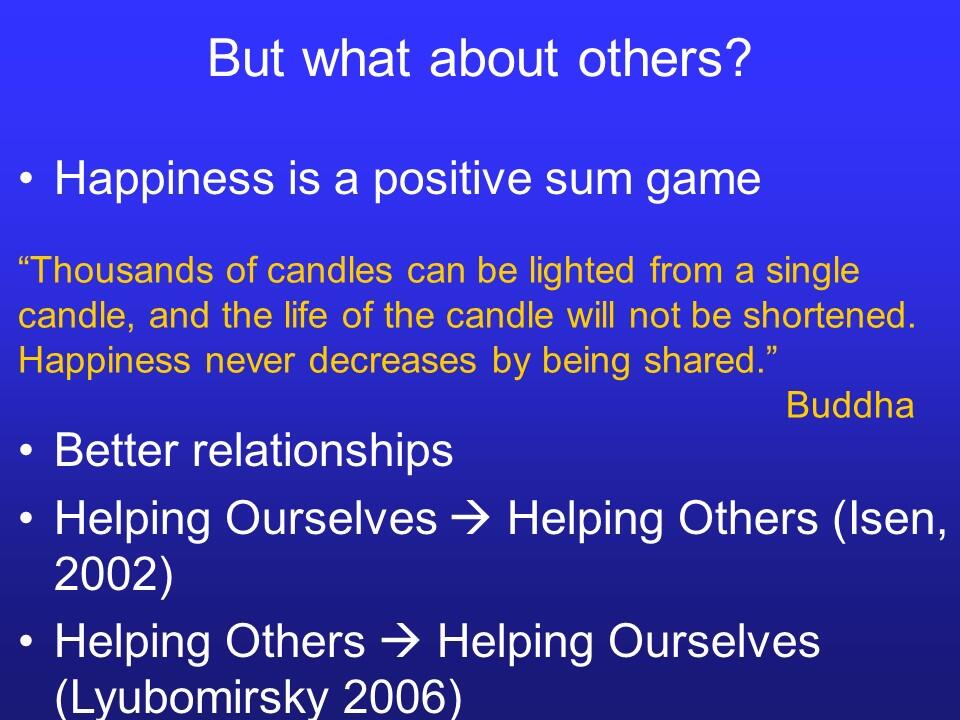
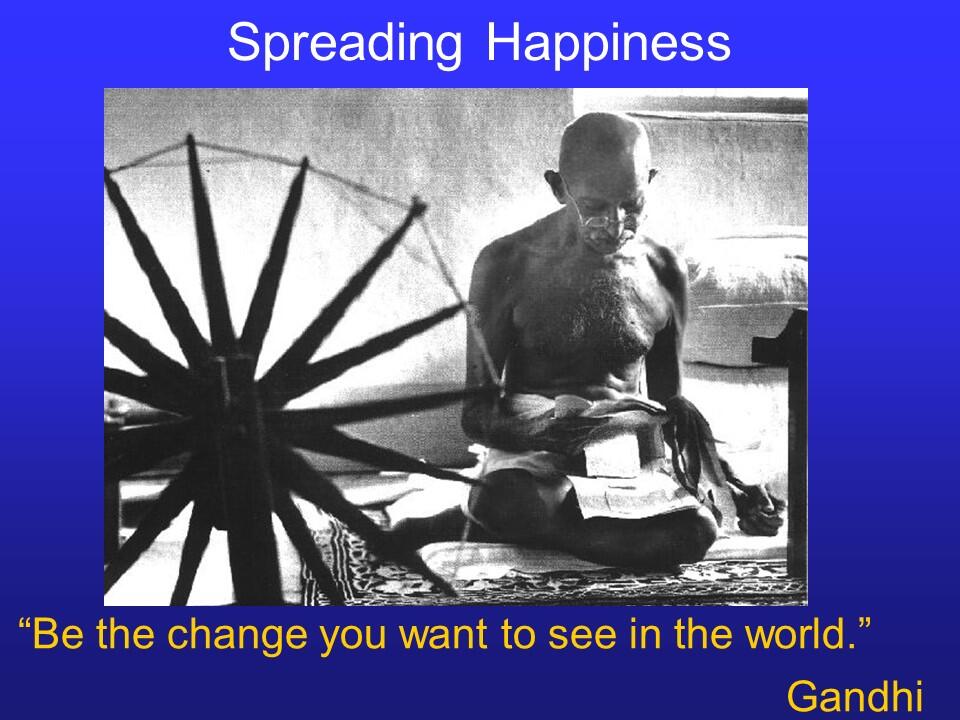
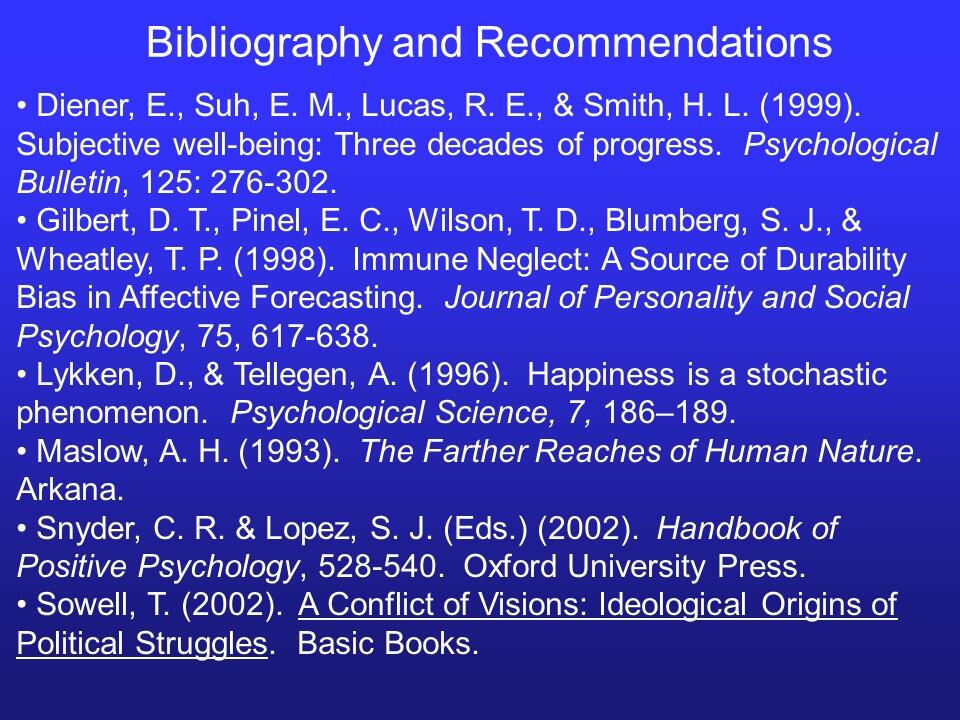
——————Part 1 老师课堂PPT全览—————

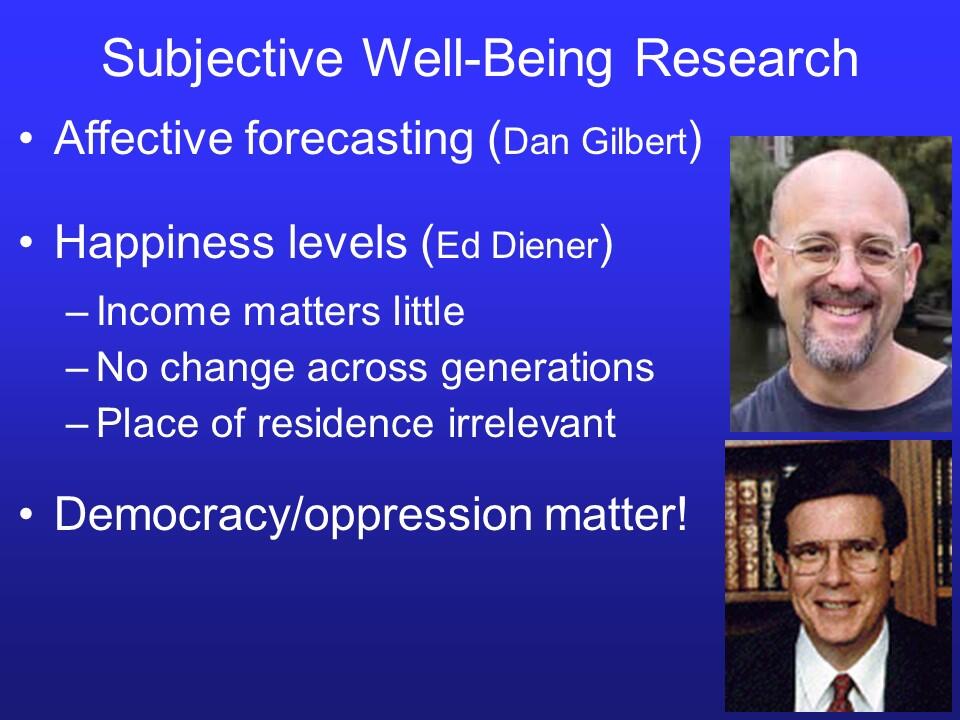
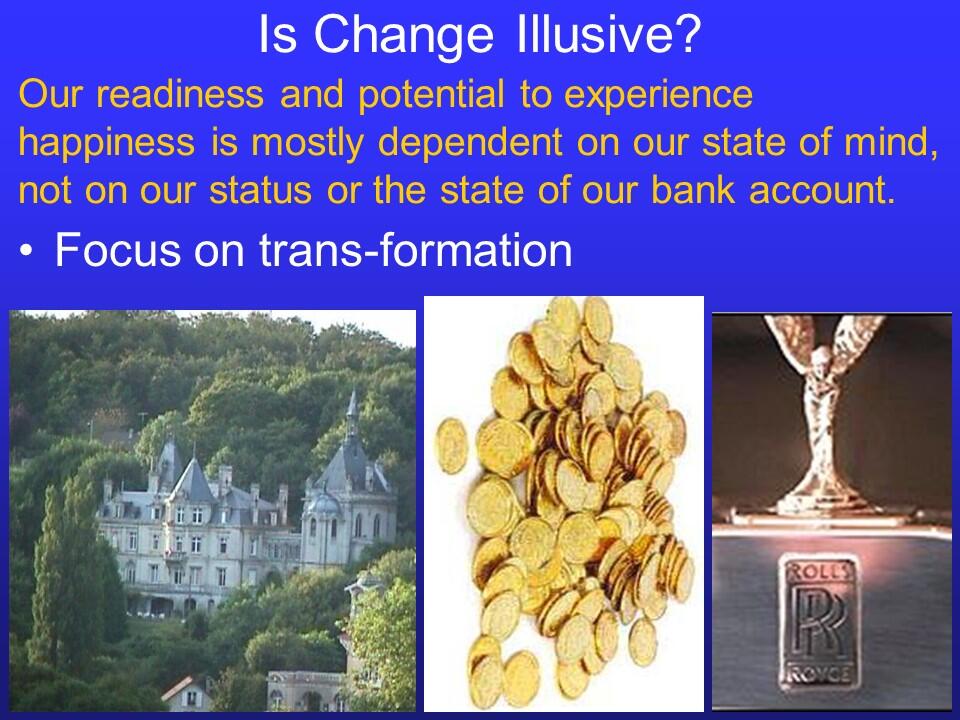

——————Part 2 UP-全英文整理——————
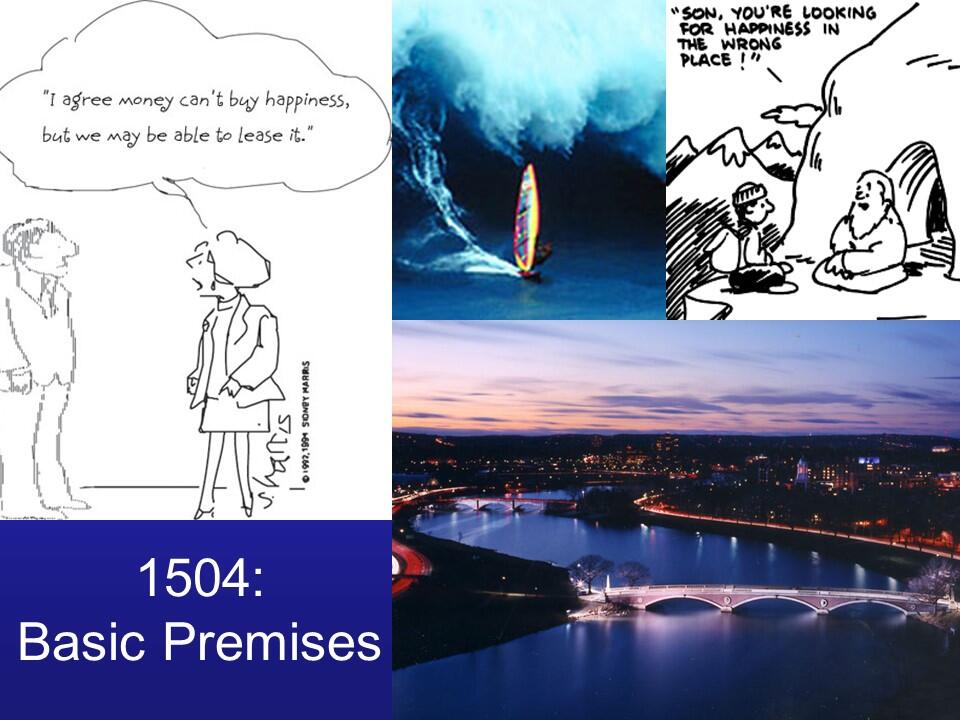
I want to move on now, I want to move on to the next selective lectures two or two and a half lectures, where I am going to be talking about the basic premises of the course.
As I said earlier, this course is not a survey course of positive psychology. It's very selective. It's about the question of questions. What can help us individuals,what can help our community become happier, not happy, happier.So by the end of these three months semester you are happier than you were before.You are from now, you'll be hopefully happier than you were at the end of the semester. And so on and so on.
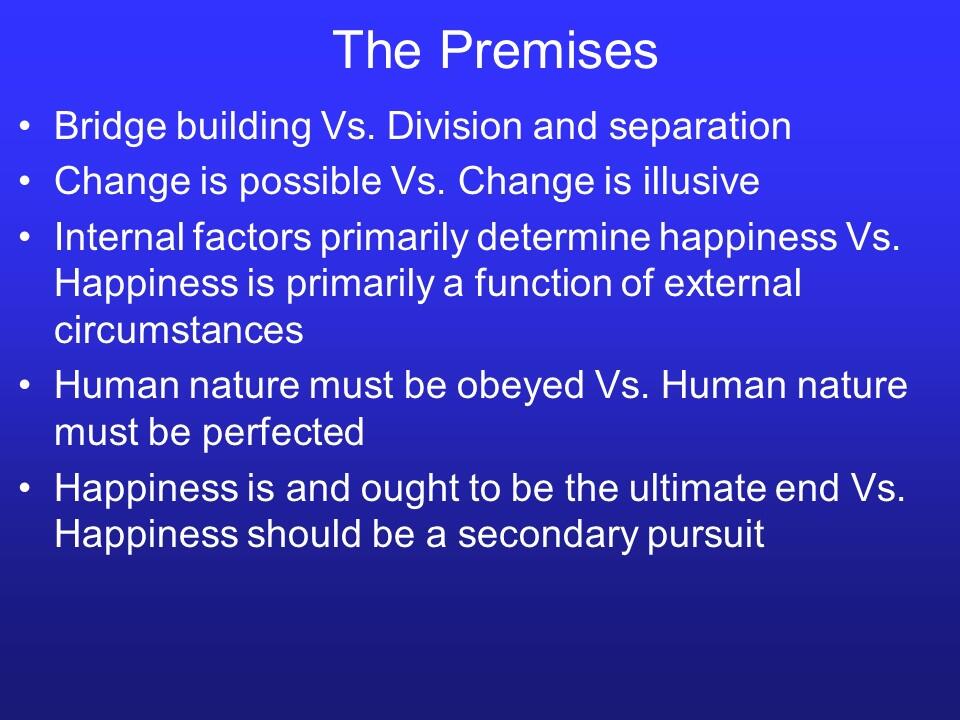
So what are the basic premises?Where am I coming here when I think about this course? Well what I want to do is to share with you the five basic premises. And these premises are going to be presented as something and essentially it's opposite.
So that were clear from the outset: where we are coming from, where I am coming from, where the teaching staff is coming from and also so that we can build the foundation of the course.
Remeber I talk those of you who were here the first time: this course is built like a spiral.Everything is intra-connected, what I talked about in the first class is connected to what I'm going to talk about today, is going to be connected to lecture 19. So in many ways the premises, coupled with what we discussed in the first two lectures, build the foundation of that spiral, upon which everything else will be built.
So here are the five basic premises.I'll go through them briefly now and elaborate on each in the next couple of lectures, interweaving them with studies, research as well as applications.
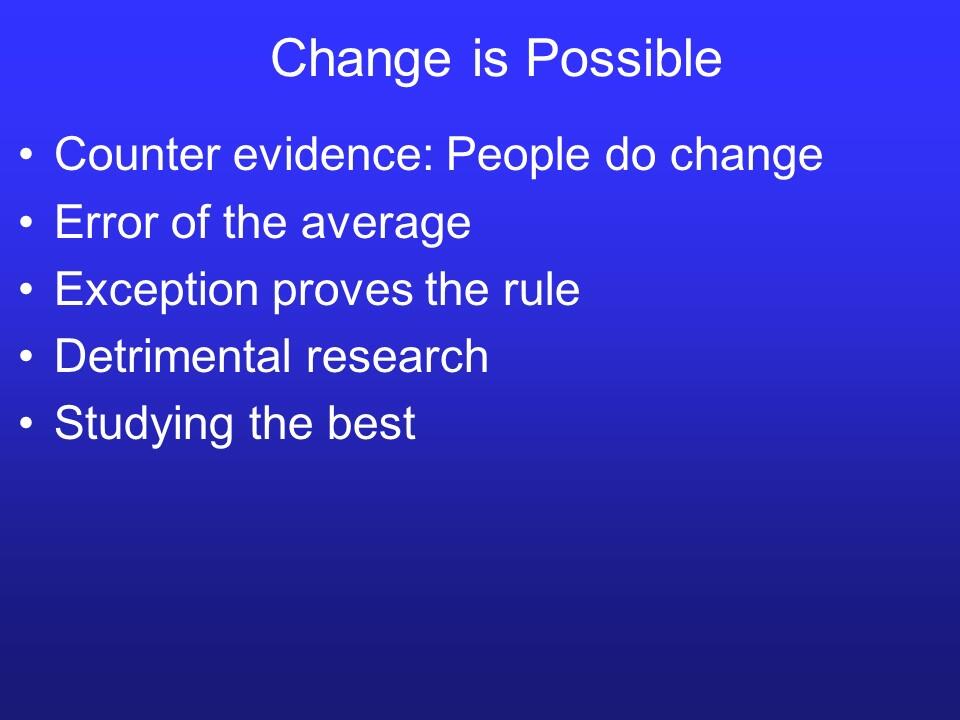
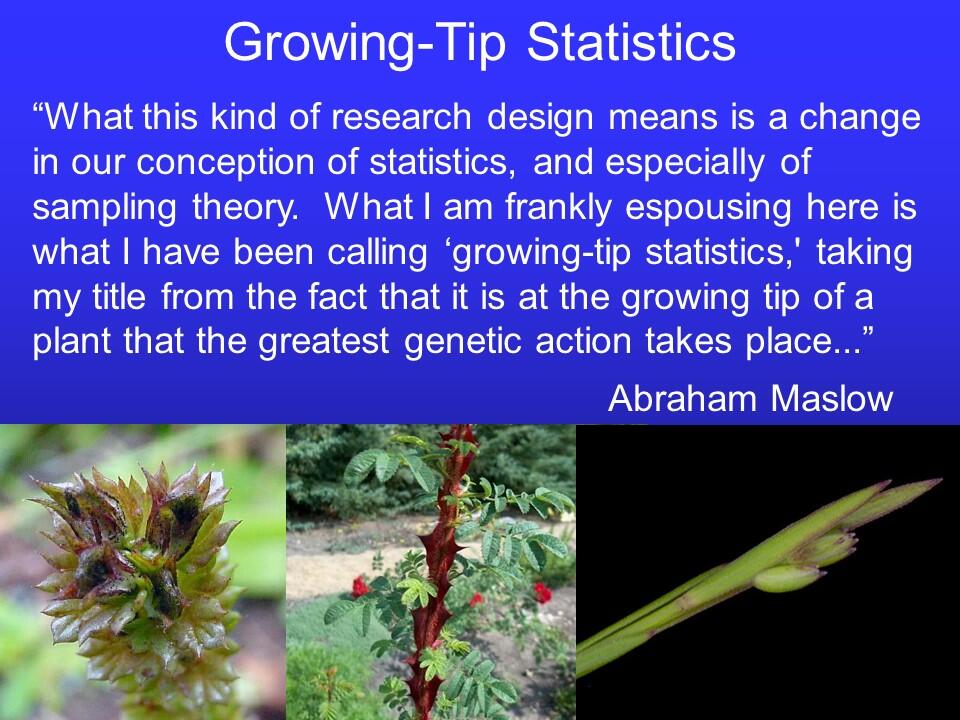
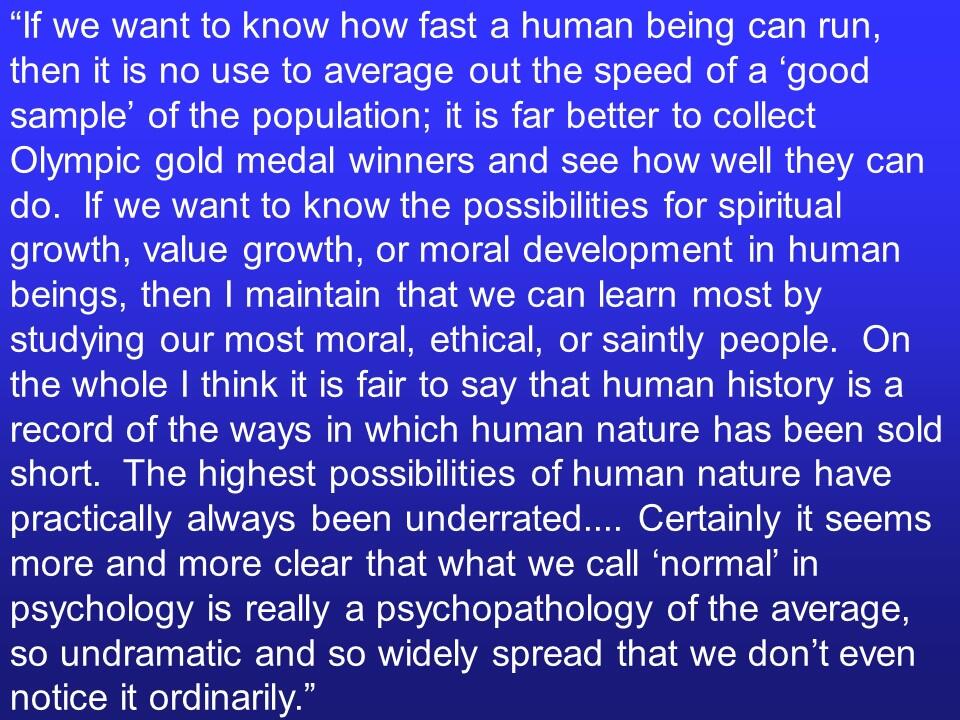
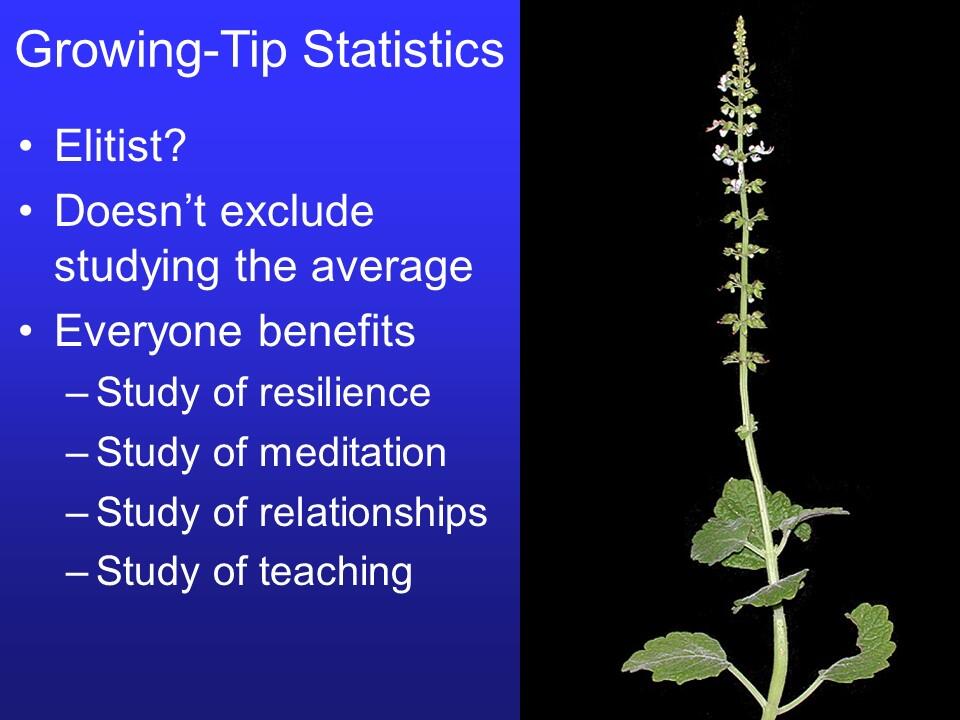
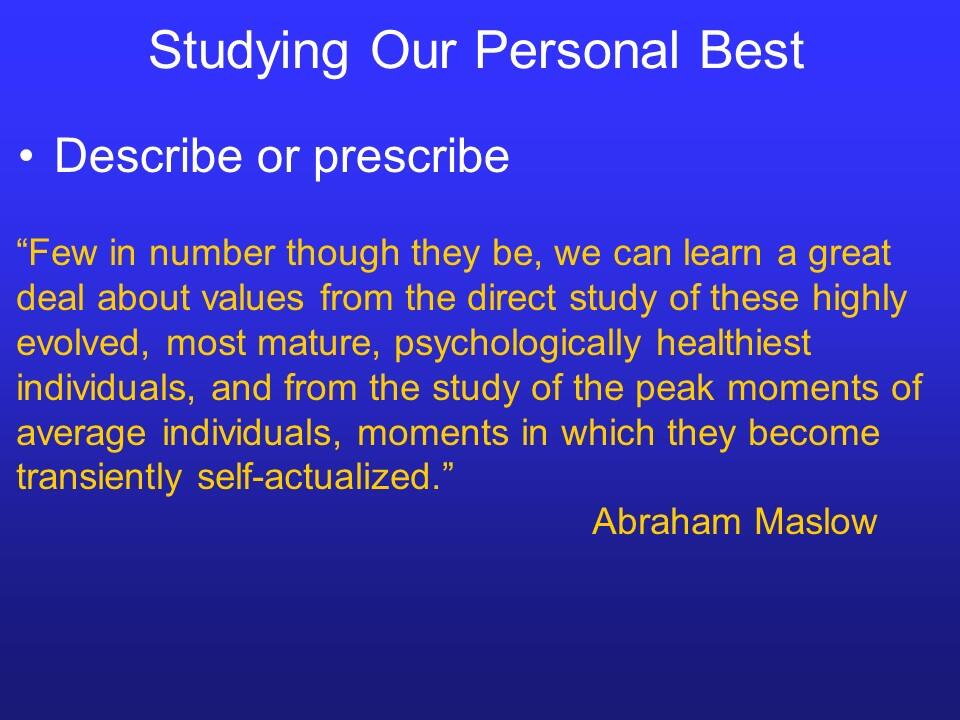
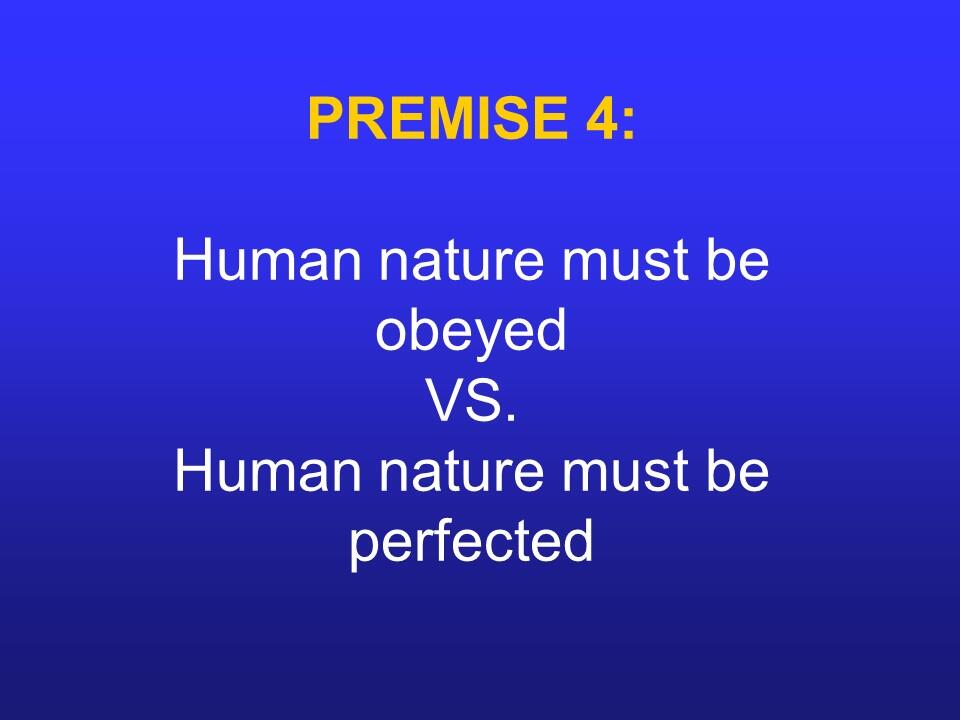
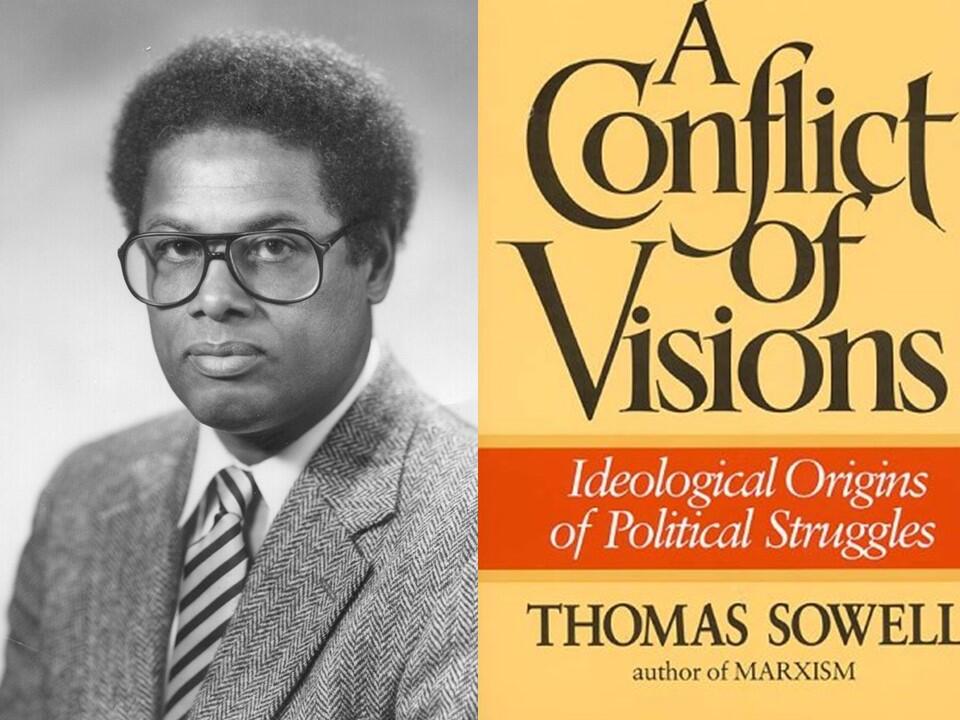
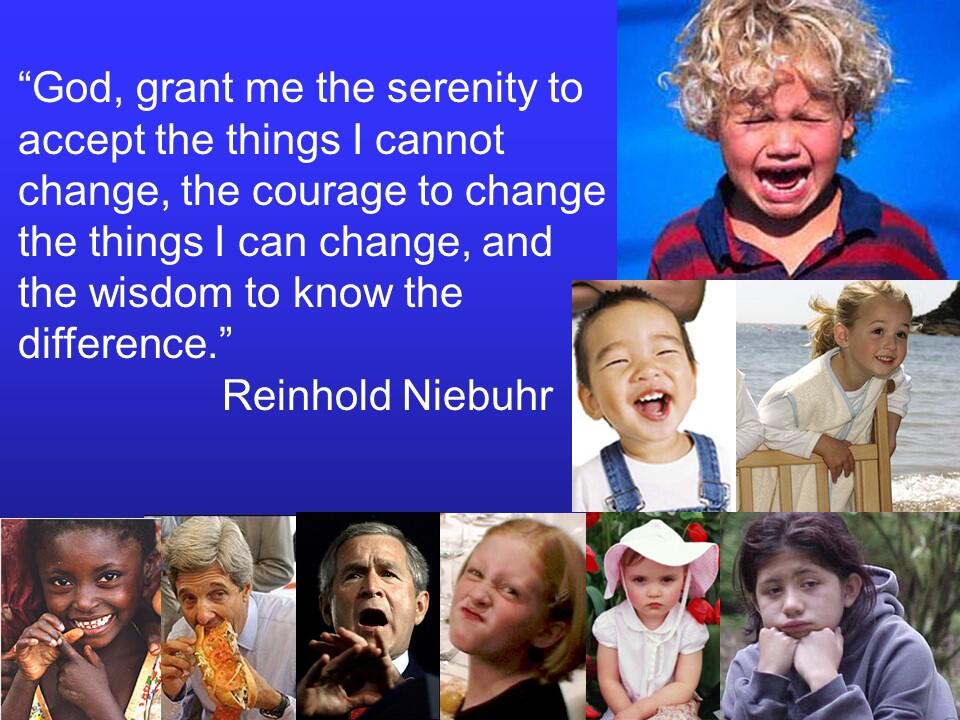
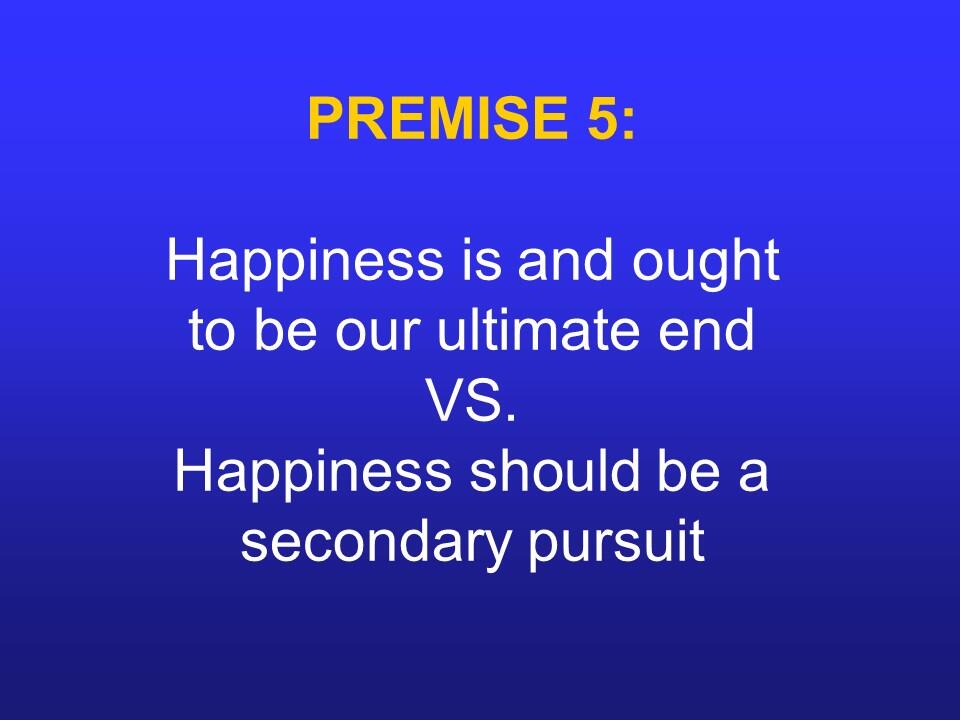
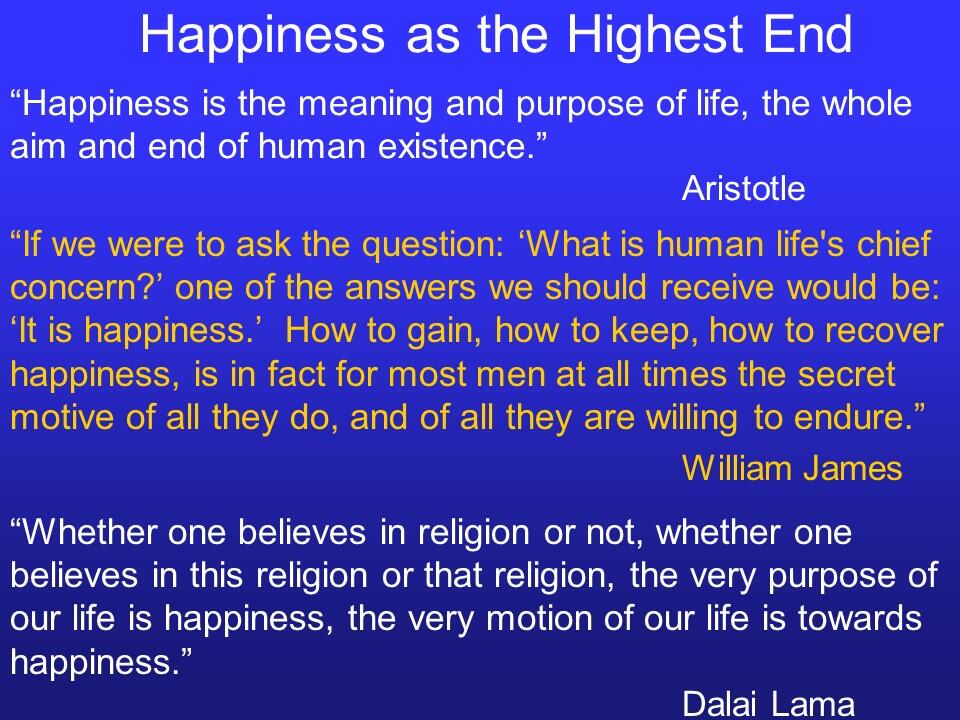
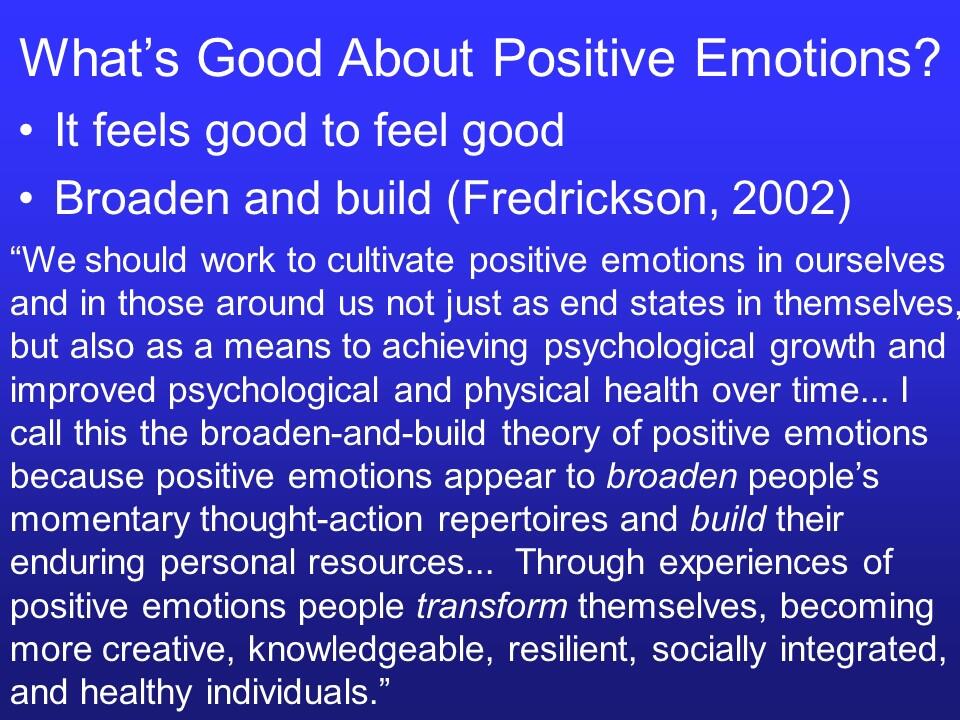
(上图为老师PPT课件部分,一共5点)
First, this course as I mentioned first is about bridge building: bridge building among disciplines, eclectic, and bridge building in terms of academia and Main street. Rather than the division and separation, the specialization is very often dominant in academia.This is the approach of this course, with all its challenges ,is the opposite.
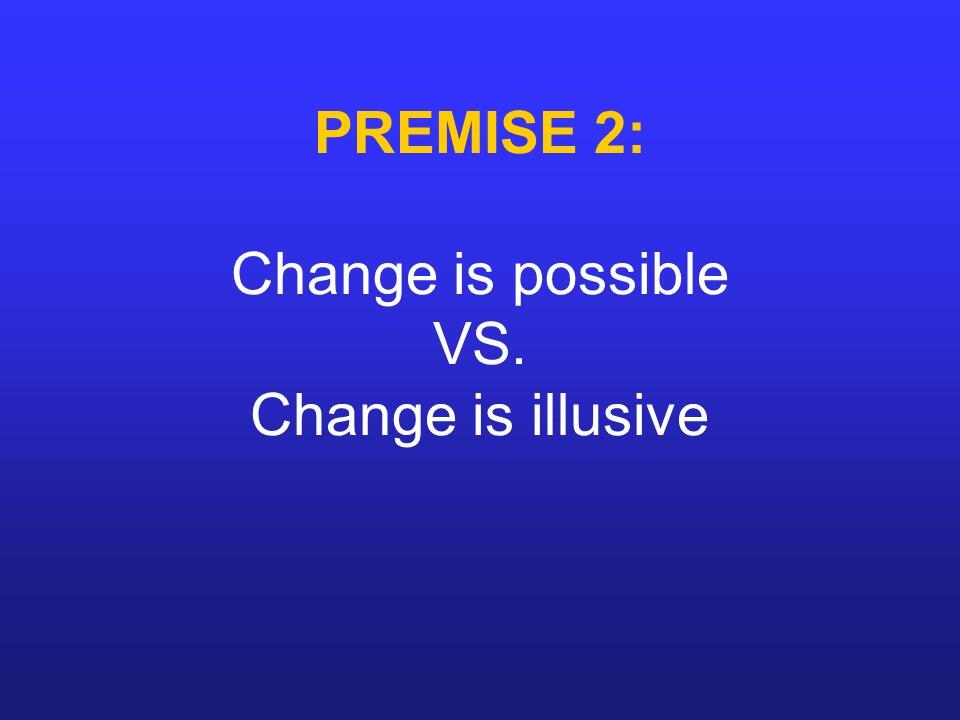
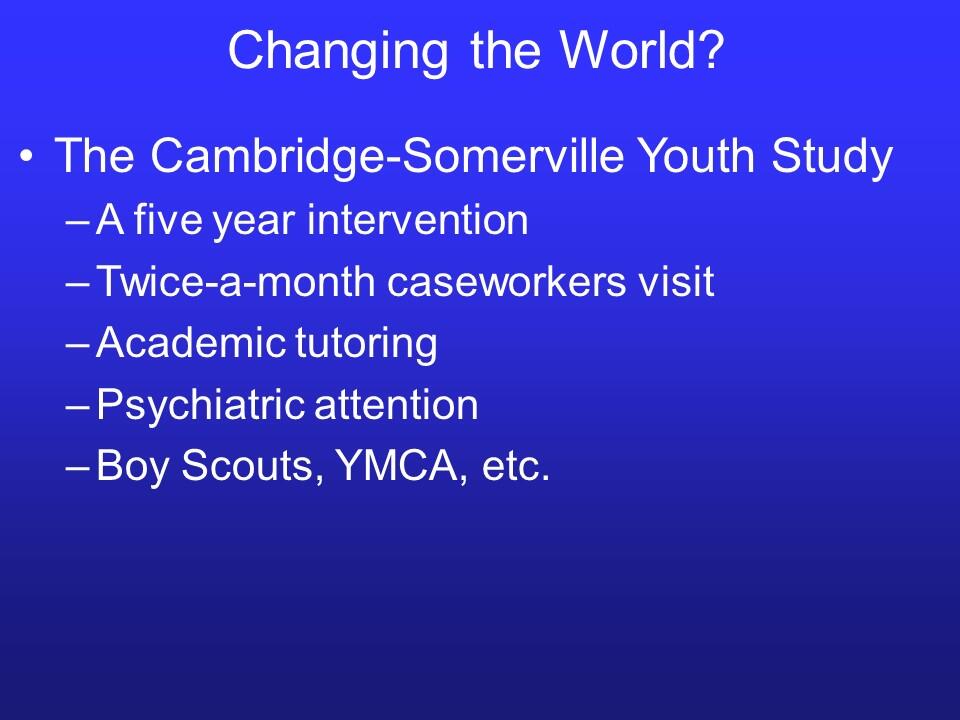
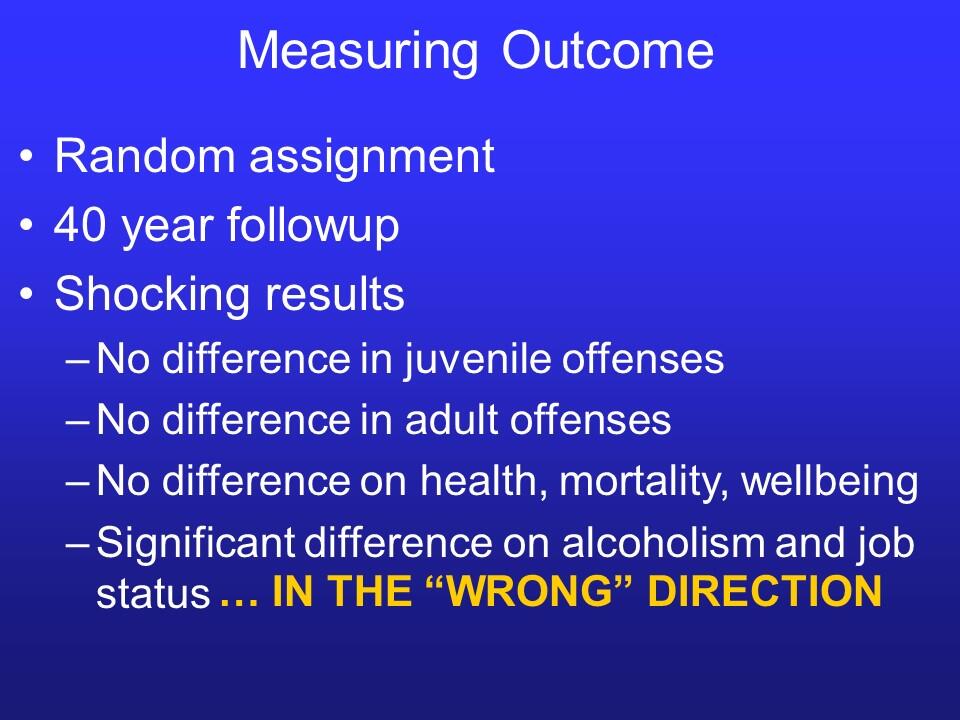
Once again I wouldn't be teaching this class, if I didn't change is possible.There is a lot of research in psychology,a lot of evidence that shows how difficult change is.So I will argue that change is possible,whether it's individual change, organizational change.And we'll start to look at how it's possible. Just the very basic level of the spiral.We have an entire week just devoted to change.We will elaborate on that: techniques, methods, tools.
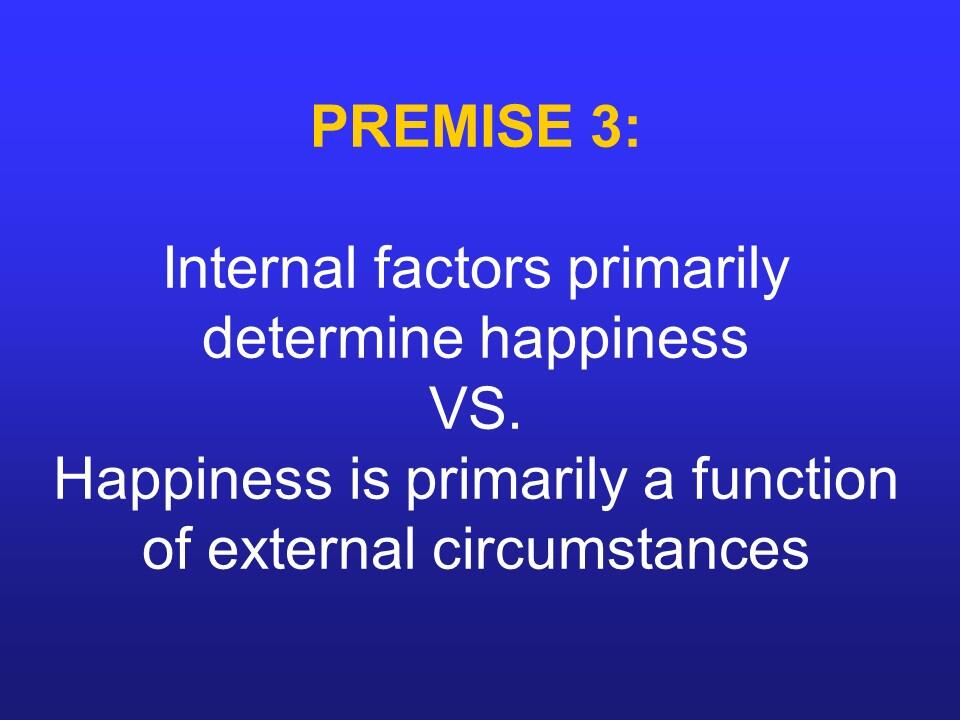
Third, premise ralated to the first internal factors primarily determine happiness this is what I'm going to argue for is opposed to happiness which is primarily function of external circumstances.Not saying that the external circumstances are not important, we should focus also on improving them,bettering them,whether for ourselves,for society at large. However, happiness primarily not only primarily is dependent on how we perceive the world on the form, on our interpretaion,on our perception.
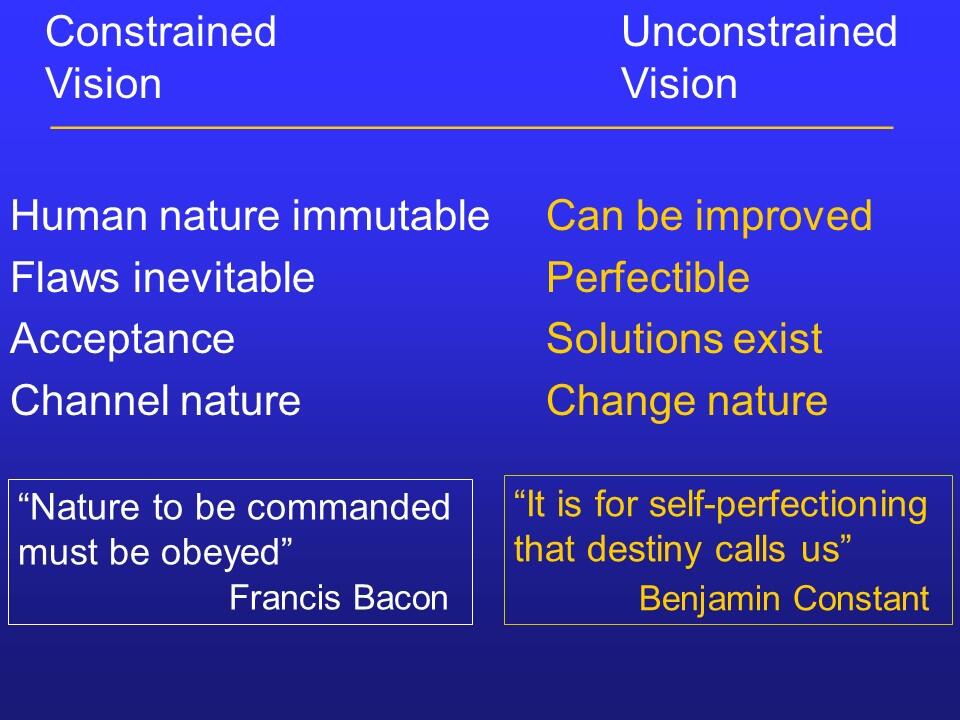
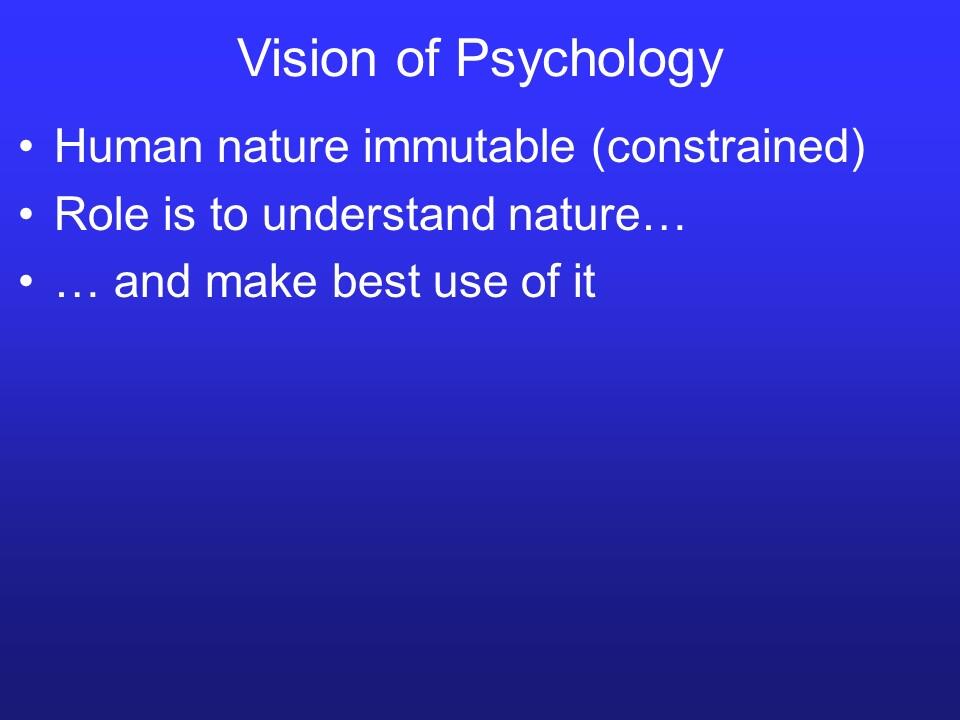
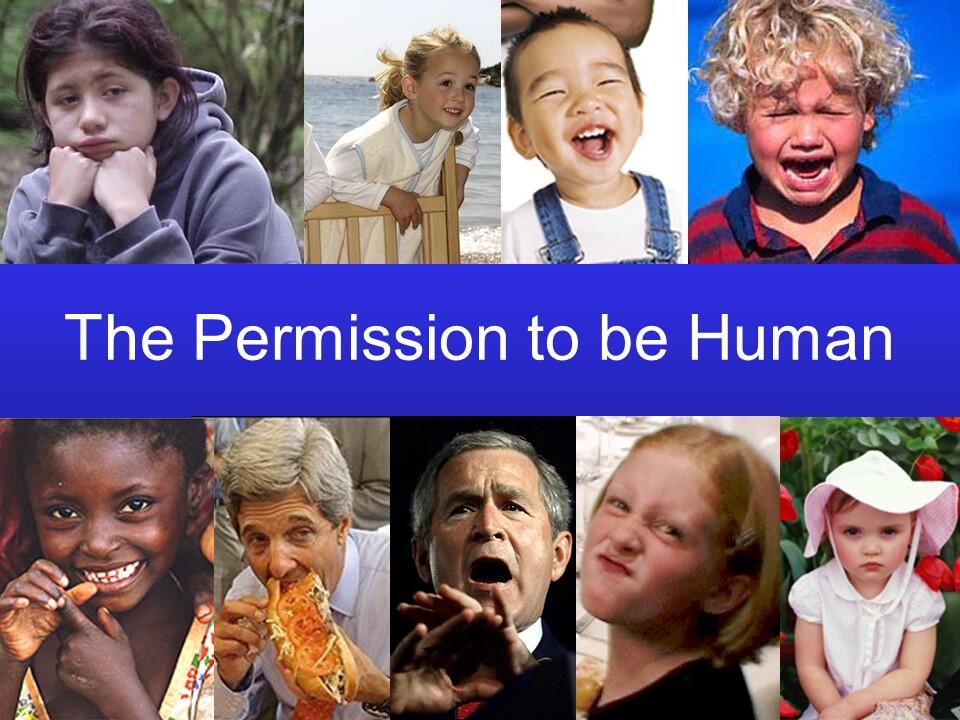
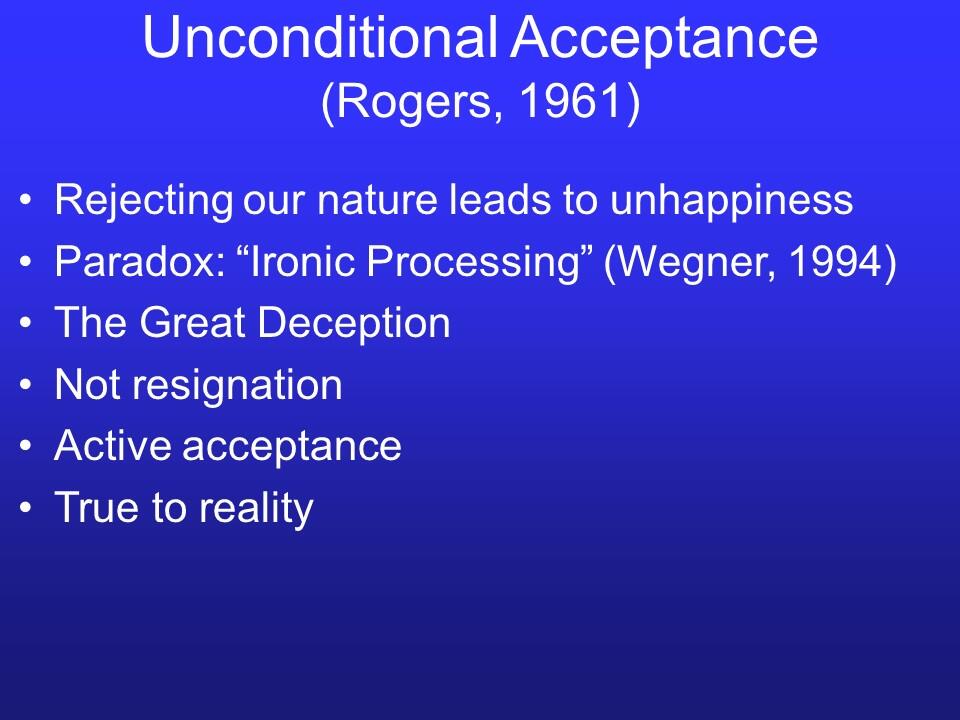
Human nature must be obeyed versus human nature must be perfected.This in many ways,captures conflict that has gone throughout human history,whether you look at politics,whether you look at religion,whether you look at philosophy as well as today, psychology.How do we look at human nature? Is human nature flawed and therefore needs to be perfected? Or is human nature flawed maybe something we don't like but we need to accept it and work with it? I'm going to argue for the latter of what I just said, for the fact that human nature needs to be obeyed with all its flaws, with all its shortcomings,as opposed to attempting to perfect it on the psychological level.We'll get to that next time.
Controversial,the very important foundation of mental health and wellbeing.
And finally,what I am going to argue for is that happiness isn't ought to be the ultimate end which we pursue and that is also a moral claim,as opposed to happiness just being another secondary pursuit and there are pursuits,there are highter, more important,more moral than that.Once again,may sound controversial.I'll try reconcile the disease,the unhappiness that you may experience thinking about that.Again,more on that next time.
So let me begin with bridge building.
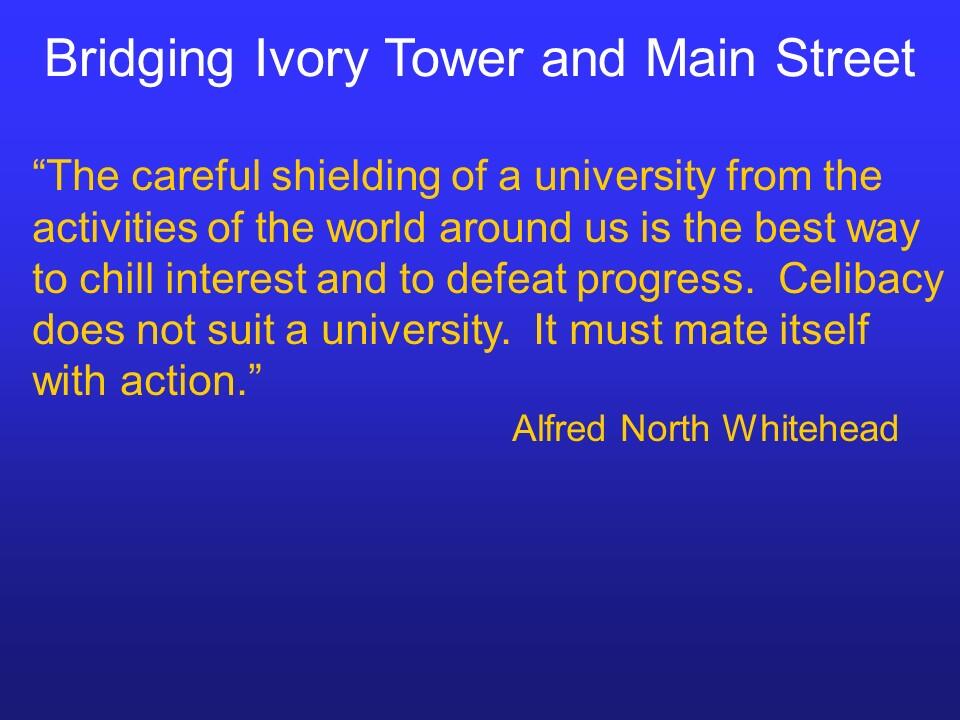
Here I am going back to what I talked about right at the very beginning of the first lecture.The idea of brighing lvory tower and Main Street.There are many people in academia, outside academia,who divide the world essentially into two.They talked about the real world that is outside,that is dirty,impure,profane versus academia which is lofty, idealistic,sacred.Sacred versus the profane. This distinction hurts.It hurts academia and hurts people who are outside of academia.
Alfred North Whitehead,the philosopher:
(上图为老师PPT课件部分,引用Alfred North Whitehead教授的原文)
This is very important for university,a second psychology.He said second psychology is a psychology that leaves the labs, that draws on the research done in the labs, that is important and meaningful,however, doesn't only focus on that.It goes out to the outside world, interacts,gets its hand and mind dirty,does work outside and then applies its work and learns from" the dirty experiences" and brings it back to the lab and so on and so on in an upward spiral. He called it the important second psychology,which is what Alfred North Whitehead is also talking about.
Now you may be sitting here and most of you aren't going to academia.And you are thinking to yourself,"OK,fine.So university, academia must make itself with action.What does it have to do with me?How is this relevant to me?". Not only is it relevant to you ,it has everything to do with you.
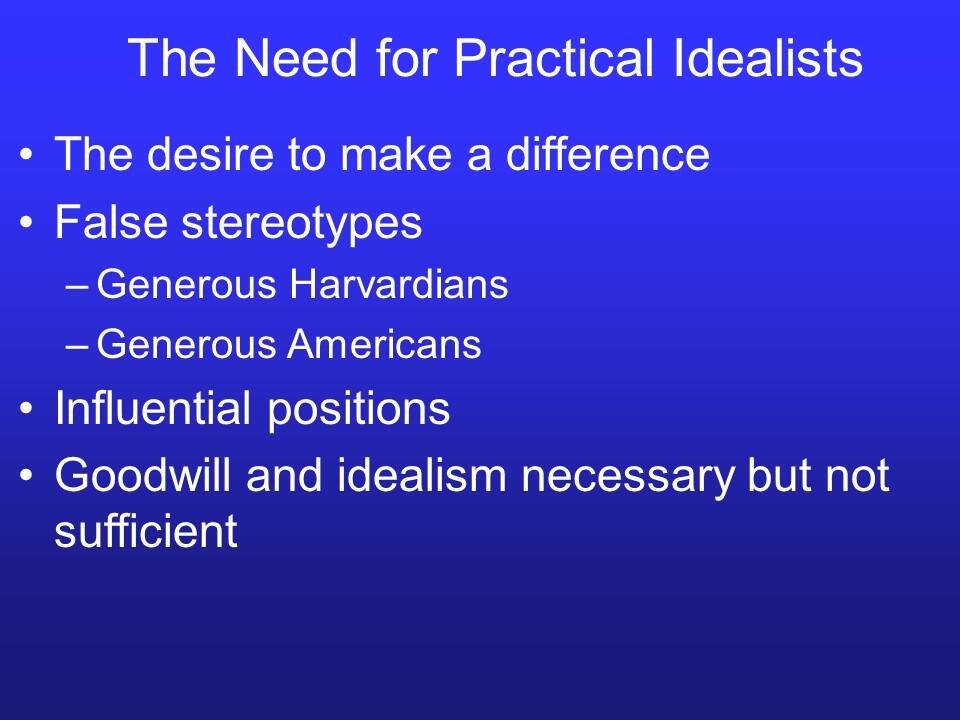
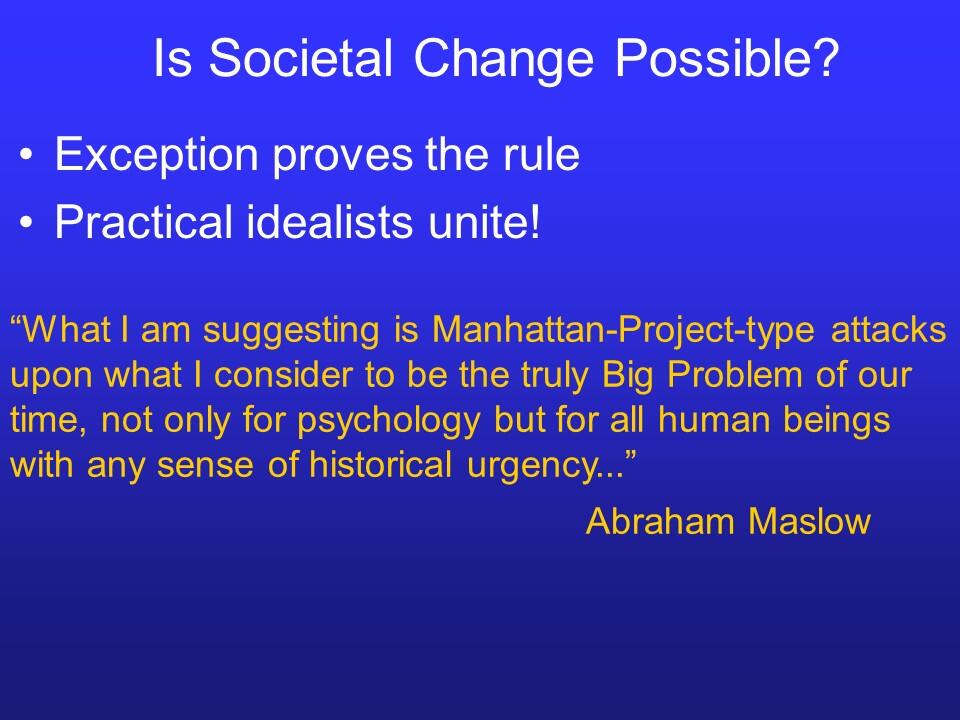
And here's why.What the world needs,more than anything else,is practical idealists.For 6 years ,I was a resident tutor in Leverett House when I was a graduate student and then I also started to teach.And what struck me most about conversations that I had,either in Leverett or other houses,were students is their sense of mission,your sense of mission,your desire to do good,to make the world a better place.
And as I followed many of the students after they graduate,whether the students who work with me here as undergrads or students who I tutored, when I followed the path,it wasn't just empty words.These students went ahead and did wonderful things,whether it was right out of college,whether it was once they established themselves,but there was always this, the back of their mind,very often fore of their minds,"How can I make this world a better place?" Passionate.Idealistic.Good,in the deep sense,good.This desire to make a difference come into just about all students.
There are many people who talk about this generation as the "ME"generation: all I care about,all this generation cares about is "well ,let me just make more money","let me just get a bigger house", "let me just be more successful and accrue more accolades,more prestige".This is a false stereotype. Yes, accolades,prestige,money is important.It's important to most people in the world.A big deal.But what these people who have these stereotypes were they err is that they see just that. And they don't see the desire to make a difference.10:00 突然找到网上已有全集英文字幕
注:故暂停手敲字幕笔记,详见该链接:
https://www.docin.com/p-171733395.html
——————————完结——————————
可结合视频一起查看PPT
愿遇见美好,遇见自己,欢迎勘误。
