
摘要:
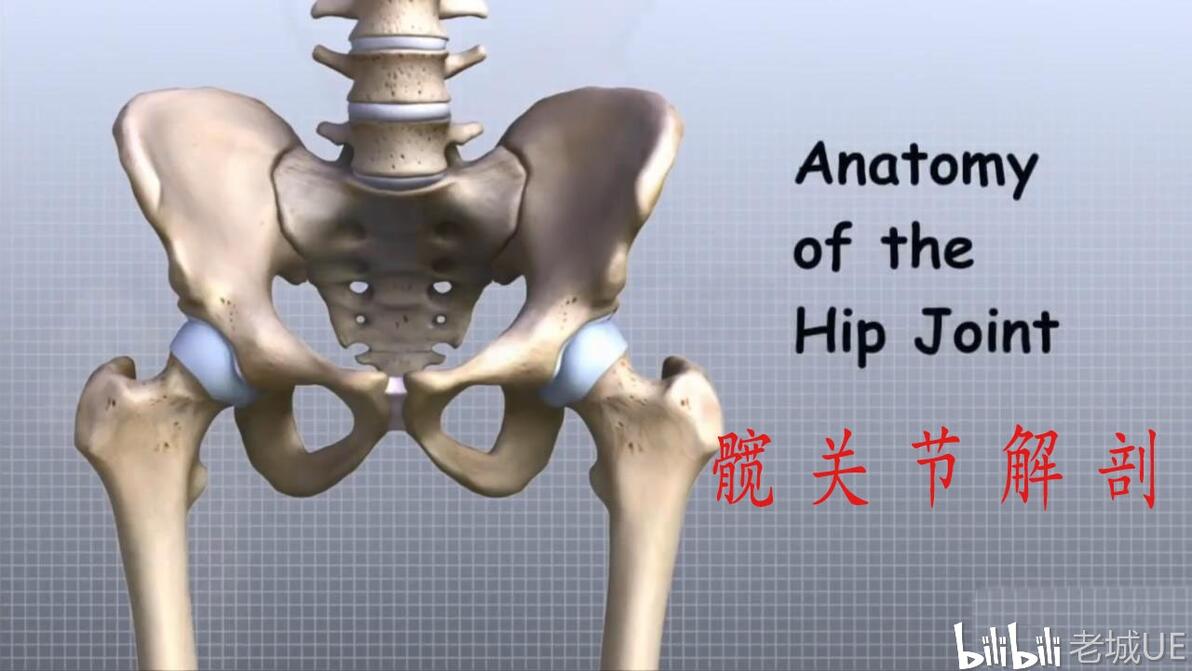
视频围绕髋关节,简述了髋关节的骨骼、关节、肌肉、神经及血管和滑囊,另外还动态的展示髋关节周围肌群的功能。
译文
髋关节是一个真正的球窝关节,这种安排使髋部有了日常活动所需的大量运动,如散步、蹲下和爬楼梯。了解髋关节的不同层次是如何排列和连接的会帮助你了解髋关节是如何工作的,如何受伤的,以及当关节受伤或关节炎损害时恢复起来有怎样的挑战性。
The hip is a true ball and socket joint. This arrangement gives the hip the large amount of motion needed for daily activities like walking,squatting and stair, climbing. Understanding how the different layers of the hip are arranged and connected can help you understand how the hip works, how it can be injured and how challenging recovery can be when this joint is injured or damaged arthritis.
臀部的最深层,包括骨头和关节,紧接着外面是由关节囊的韧带构成的,最后,这些韧带由重要的肌腱和肌肉覆盖,这些肌腱和肌肉帮助移动腿。
The deepest layer of the hip includes the bones and the joints, the next layer is made up of the ligaments of the joint capsule. And finally, these ligaments are covered by the important tendons and the muscles that help move the leg.
臀部的重要结构可以分为几类,包括骨骼、关节、韧带、肌腱、肌肉以及神经血管和滑囊。形成髋关节的骨头是股骨或骨盆的远端骨头。股骨的上端呈球状这个球叫做股骨头,股骨头与骨盆侧面的圆孔相吻合,这个圆孔叫做髋臼。
The important structures of the hip can be divided into several categories. These include bones and joints,ligaments and tendons muscles,nerves, blood vessels and bursa.
The bones that formed the hip are the femur or the thigh and the pelvis. The top end of the femur is shaped like a ball. This ball is called the femoral head. The femoral head fits into a round socket on the side of the pelvis,this socket is called the acetabulum.
股骨头通过股骨颈这一小段骨头与股骨的其余部分相连。
靠近股骨颈的股骨顶部有一个大隆起向外突出,这个隆起,被称为大转子的东西可以沿着你的臀部触得到。大而重要的肌肉连接到大转子。
The femoral head is attached to the rest of the femur by a short section of bone called the Femoral neck.
A large bump juts outward from the top of the femur next to the femoral neck, this bump, called The Greater Trochanter can be felt along the side of your hip. Large and important muscles connect to the greater trochanter.
关节软骨是覆盖任何关节的骨头末端的材料,在像髋关节这样的大型承重关节中,关节软骨大约有四分之一英寸厚。关节软骨是白色的,有光泽,有橡胶的一致性。它很滑,可以让关节表面相互滑动,而不会造成任何损害。
关节软骨的功能是吸收冲击,并提供一个非常光滑的表面,使运动更容易。我们基本上到处都有关节软骨,太多的骨面互相运动或相互连接。
在臀部关节软骨覆盖股骨末端和骨盆内髋臼的凹槽部分。关节窝的上部和后部的软骨特别厚。
Articular cartilage is the material that covers the ends of the bones of any joint articular cartilage is about one quarter of an inch thick in the large weight-bearing joints like the hip. Articular cartilage is white and shiny and has a rubbery consistency. It is slippery, which allows the joint surface to slide against one another without causing any damage. The function of articular cartilage is to absorb shock and provide an extremely smooth surface to make motion easier. We have articular cartilage essentially everywhere,that too bony surfaces move against one another or articulate.
In the hip, articular cartilage covers the end of the femur and the socket portion of the acetabulum in the pelvis. The cartilage is especially thick in the upper and back part of the socket.
因为这是大部分的力量发生在行走和跑步。韧带是连接骨骼的软组织结构,有几个重要的韧带在髋关节内和周围围绕着髋关节,关节囊由一组连接股骨顶部和髋臼的强韧韧带组成。关节囊是围绕关节的一个不透水的囊,这些关节囊韧带是髋关节稳定的主要来源,它们有助于将股骨头固定在髋臼或髋窝的适当位置。
As this is where most of the force occurs during walking and running. Ligaments are soft tissue structures that connect bones to bones,there are several important ligaments in and around the hip surrounding the hip joint. The joint capsule is formed by a group of strong ligaments that connect the top of the femur to the acetabulum. A joint capsule is a watertight sac that surrounds a joint. These ligaments of the joint capsule are the main source of stability for the hip. They help hold the femoral head in place in the acetabulum or socket.
一个小韧带连接着股骨头的末端和髋臼。这种被称为圆韧带的韧带并不像主要的髋关节韧带那样起到控制髋关节运动的作用。是这样,然而,在韧带中有一条小动脉这给股骨头的一部分带来了非常小的血液供应。
A small ligament connects the very tip of the femoral head to the acetabulum, this ligament called the ligament of Teres doesn't play a role in controlling hip movement like the main hip ligaments. It does, however, have a small artery, within the ligament that brings a very small blood supply to part of the femoral head.
肌腱是连接肌肉和骨骼的软组织结构,一条叫做髂胫束的长肌腱,沿着大腿骨从臀部一直跑到膝盖。髂胫束为几块大的髋部肌肉提供了连接点,一个紧张髂胫束可以导致臀部和膝盖的问题。
The tendons are soft tissue structures that connect muscles to bones. A long tendons band called The Iliotibial Band runs alongside the femur from the hip to the knee. The Iliotibial Band provides a connection point for several of the large hip muscles. A tight Iliotibial Band can cause hip and knee problems.
一种特殊的韧带形式,髋关节内部的一种独特结构称为唇骨,关节唇几乎完全围绕髋臼边缘连接,唇部的形状和附着方式为髋臼窝创建一个更深的杯状物。这个小的软骨边缘可能会受伤,导致髋关节疼痛和咔哒声。
A special type of ligament forms, a unique structure inside the hip call the labrum. The labrum is attached almost completely around the edge of the acetabulum, the shape and the way the labrum is attached create a deeper cup for the acetabulum socket, this small rim of cartilage can be injured and cause pain and clicking in the hip joint.
臀部被大的而厚的肌肉包裹。三个臀肌即臀小肌、臀中肌和臀大肌。臀部的肌肉在臀部的后面。这些肌肉向后伸展或拉动大腿,并将大腿外展或拉离另一条腿。在散步时,当我们把重量从一条腿转移到另一条腿时 这些肌肉对于保持骨盆水平也很重要。
The hip is surrounded by large, thick muscles, three Gluteus muscles, the Gluteus minimus,
Gluteus medius and Gluteus maximus. Make up the muscles of the buttock on the back of the hip. These muscles extend or pull the thigh backwards and abduct or pull the thigh away from the other leg. These muscles are also important for keeping the pelvis level as we shift the weight from one leg to the other during walking.
大腿内侧由内收肌组成,内收肌的主要动作是将腿向内拉向另一条腿。
The inner thighs formed by the adductor muscles. The main action of the adductors is to pull the leg inward toward the other leg.
弯曲臀部或将大腿向前拉的肌肉位于髋关节前面,其中包括髂腰肌、股直肌。髂腰肌是一种非常深的肌肉,起始附着在下脊椎,它从骨盆出来连接上股骨内侧边缘。
The muscles that flex the hip or pull the thigh forward are in front of the hip joint.
These include The Iliopsoas,and the Rectus Femoris. The Iliopsoas muscle is a very deep muscle that begins attached to the lower spine. It travels out of the pelvis to connect on the inside edge of the upper femur.
股直肌是股四头肌之一,大腿前面的一大群肌肉。
还有一个小的,薄带状肌肉称为缝匠肌,它从骨盆穿过膝盖,连接到膝盖下方的胫骨上部。
The Rectus Femoris is one of the quadriceps muscles, the large group of muscles on the front of the thigh.
There is also a small, thin strap like muscle called the Sartorius muscle that runs from the pelvis across the knee and connects to the upper tibia just below the knee joint.
有几块小肌肉从骨盆内部发出,穿过髋关节后部并与上股骨后部相连,这些肌肉帮助稳定髋关节,并将腿作为一个整体向外旋转,这些肌肉被称为髋关节外旋肌。
Several small muscles travel from inside the pelvis,across the back of the hip joint and attached to the back of the upper femur. These muscles helped to stabilize the hip joint and rotate the leg outwards together as a group. These muscles are called the external rotator of the hip.
最后,腘绳肌从大腿后部向下延伸,这些肌肉起源于骨盆底部。因为腿筋肌肉在到达膝盖的过程中穿过了髋关节后部,它们帮助伸展臀部,向后拉大腿。
Finally, the Hamstring muscles run down the back of the thigh. These muscles originate at the bottom of the pelvis. Because the hamstring muscles crossed the back of the hip joint on their way to the knee, they helped to extend the hip, pulling it backwards.
所有沿大腿向下的神经都经过臀部,主要神经是髋部前面的股神经和后面的坐骨神经,一个较小的神经叫闭孔神经也通向臀部内侧。
All of the nerves that traveled down the thigh pass by the hip. The main nerves are the femoral nerve in front and the sciatic nerve in the back of the hip, a smaller nerve call the obturator nerve also goes to the inside of the hip.
这些神经将信号从大脑传递到臀部肌肉,神经还将触觉、疼痛和温度等感觉的信号传回大脑。
These nerves carried the signals from the brain to the muscles that move the hip. The nerves also carry signals back to the brain about sensations such as touch, pain and temperature.
与神经一起行进的是为下肢提供血液的大血管。大股动脉从骨盆深处开始,经过臀部的前部 向下到达膝盖的内侧。如果你把手放在大腿前侧,你也许能感觉到这条大动脉的搏动。
Traveling along with the nerves are the large vessels that supply the lower limb with blood. The large femoral artery begins deep within the pelvis. It passes by the front of the hip area and goes down toward the inner edge of the knee. If you place your hand on the front of your upper thigh, you may be able to feel the pulsing of this large artery.
股动脉有一个很深的分支叫股深动脉,“深”的意思是深,因为有两条血管穿过髋关节囊。这些血管是股骨头的主要血液供应。正如前面所提到的,圆韧带含有一条小血管。这给了股骨头顶部一个非常小的血液供应。其他小血管在骨盆内形成 并供应臀部和臀部的后部。
The femoral artery has a deep branch called the profunda femoris ,profunda means deep, the profunda femoris since two vessels that go through the hip joint capsule. These vessels are the main blood supply for the femoral head. As mentioned earlier, the ligament of Teres contains a small blood vessel. That gives a very small supply of blood to the top of the femoral head. Other small vessels form within the pelvis and supply the back portion of the buttocks and hips.
当肌肉之间发生摩擦时,肌腱和骨头,通常有一种结构叫做囊,滑囊是一层薄薄的组织,里面含有液体,润滑区域,减少摩擦。
滑囊是一种正常的结构 是人体在两个结构之间的摩擦下产生的,有时会导致臀部问题的滑囊被夹在臀部外侧的隆起之间,
Where friction occurs between muscles, tendons and bones, there is usually a structure called a bursa. A bursa is a thin sack of tissue that contains fluid, to lubricate the area and reduce friction.
The Bursa is a normal structure that is produced by the body in response to friction between two structures. A Bursa that sometimes causes problems in the hip is sandwiched between the bump on the outer hip。
大粗隆和横跨隆起的肌肉和肌腱,这个被称为大转子滑囊的滑囊可以变得刺激和发炎,导致一种称为粗隆滑囊炎的情况。另一个滑囊位于髂腰肌和髋关节之间,髂腰肌腱在髋关节前方通过。当滑囊发炎时,这种情况被称为髂腰肌滑囊炎。
第三个滑囊覆盖坐骨结节。你坐在屁股上的那块骨头,你一次又一次地坐着,这个滑囊的炎症叫做坐骨滑囊炎。
The greater trochanter and the muscles and tendons that cross over the bump. This Bursa called a Greater Trochanteric Bursa can become irritated and inflamed, causing a condition called Trochanteric Bursitis. Another Bursa sits between the Iliopsoas muscle and the hip joint where The Iliopsoas tendon passes in front of the hip joint. When this bursa becomes inflamed, the condition is called Iliopsoas Bursitis.
A third Bursa covers the Ischial Tuberosity. the bump of bone in your buttocks that you sit on and again and again,Inflammation of this Bursa is called Ischial Bursitis.
如你所见臀部是复杂的设计,提供了大量的稳定性,它还允许良好的机动性和活动范围做广泛的日常活动。
许多强有力的肌肉通过髋关节连接和交叉使我们能够在跑步和跳跃等动作中快速加速。
As you can see, the hip is complex with a design that provides a great amount of stability.
It also allows good mobility and range of motion for doing a wide range of daily activities.
Many powerful muscles connect to and cross by the hip joint, making it possible for us to accelerate quickly during actions like running and jumping.
重点词汇
socket [ˈsɑkɪt] n. [解]眼窝,孔窝;插座;灯座;窝,穴;
ball and socket joint 球窝关节
ligament[ˈlɪɡəmənt] n.[解]韧带;纽带;
tendon [ˈtɛndən] n.<解>筋,腱;
bursa[ˈbɜrsə] n.囊,粘液囊;
thigh[θaɪ] n.股,大腿;食用的鸡(等的)腿;
femoral['femərəl] adj.股骨的,大腿骨的,大腿的;n.股动脉;
pelvis[ˈpɛlvɪs] n.[解]骨盆;
acetabulum[ˌæsə'tæbjʊləm] n.髋臼,关节窝,吸盘;
cartilage [ˈkɑrtɪlɪdʒ] n.<解>软骨;软骨结构;
capsule[ˈkæpsul] n.胶囊;航天舱;(植物的)荚;小容器;
Trochanter major[troˈkæntɚ ˈmedʒɚ] 大转子;
Gluteus [ˈɡlutiəs, ɡluˈti-] n.臀肌;
Iliopsoas[ɪlɪoʊ'soʊrs] n.髂腰肌;
Hamstring[ˈhæmˌstrɪŋ] n.腿筋;腘绳肌
Iliotibial Band [医] 髂胫带,髂胫束;
Rectus Femoris股直肌;
profunda femoris[医] 股深动脉;
obturator nerve[ˈɑbtəˌretɚ nɚv] 闭孔神经;
