



CHATER 1第一章 人工智能(AI)
This chapter provides a straightforward introduction to artificial intelligence (AI), which
本章简单介绍了人工智能(AI)
in turn helps provide a framework for comprehending what AI is all about and why it is反过来,帮助提供一个框架来理解AI是什么以及它为什么是这样
such an exciting and rapidly evolving field of study.这是一个令人兴奋和迅速发展的研究领域。
Let’s start with some historical facts让我们从一些历史事实开始
about the origins of AI.关于人工智能的起源。
AI Historical Origins人工智能的历史起源
Remarkably, AI, or something akin to it, has been around for a very long time.
值得一提的是,人工智能或类似的东西已经存在了很长时间。
It has been recorded that ancient Greek philosophers discussed automatons or machines with inherent intelligence.
据记载,古希腊哲学家曾讨论过机器人或机器固有的智能。
In 1517, the Prague Golem was created;1517年,布拉格假人被创造出来;
it is shown in Figure 1-1.如图1-1所示。
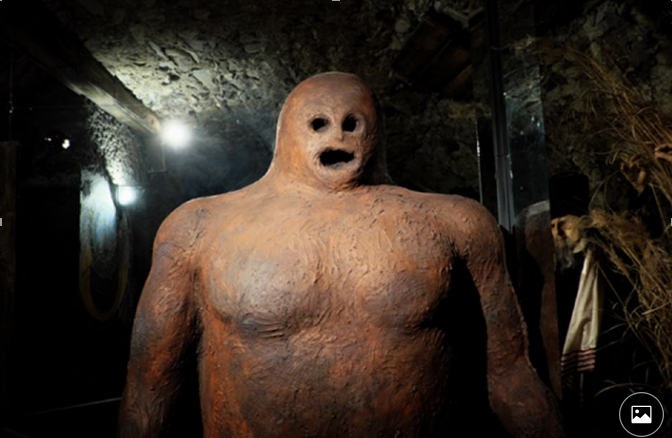
The Golem is made of clay, but according to Jewish folklore, it could be animated to魔像是用粘土做的,但是根据犹太人的传说,它可以被做成动画
carry out various acts of vengeance and retribution to parties responsible for anti-Semitic acts.对应对反犹太主义负责的各方进行各种报复和报复行动
René Descartes, a famous French philosopher, wrote in 1637 about the impossibility法国著名哲学家笛卡尔(Rene Descartes)在1637年写下了“不可能”
of machine intelligence in his Discourse on Method treatise.在他关于方法论述的论述中提到了机器智能。
Descartes was not advocating笛卡尔并不提倡
AI, but the treatise does show it was on his mind.人工智能,但论文确实表明,这是在他的思想。
A more fanciful AI experiment example—or more appropriately stated, a hoax—is
一个更富有想象力的人工智能实验的例子——或者更恰当地说,一个骗局——是
an automated chess player that made the rounds in Europe in the late 18th to mid-19th centuries.
在18世纪末到19世纪中期在欧洲流行的一种自动国际象棋选手
It was known as The Turk.它被称为土耳其人。
A lithograph of it on a modern stamp is shown in Figure 1-2它在现代邮票上的平版画是如图1 - 2。
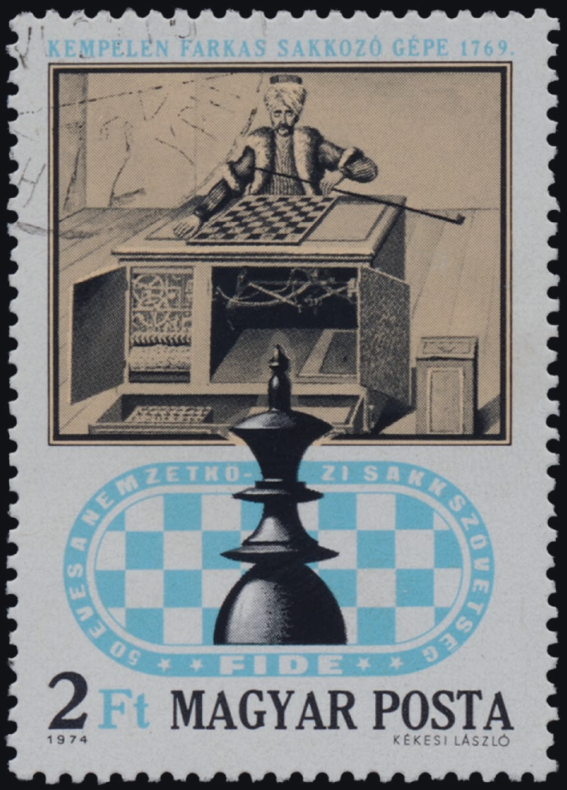
It was purported to be an intelligent machine that could play a game of chess against a human opponent.据说这是一种能下国际象棋的智能机器对抗人类对手。
In reality, there was a human chess player jammed into the machine’s supporting box.在现实中,有一个人类棋手被塞入机器的支架。
He operated manipulators to move the machine’s chess pieces他操纵机械手移动这台机器的国际象棋碎片。
I would suppose that there must have been a miniature periscope or peephole我想一定有一个微型潜望镜或窥视孔
available to allow this hidden chess player the opportunity to surveil the chessboard.可让这个隐藏的棋手有机会监视棋盘。
The odd name The Turk is from the German word Schachtürke, which means automaton chess player.这个奇怪的名字来源于德语单词“Schachturke”,意思是“自动化”棋手。
” The typical human chess master hidden in the box was so skilled that he藏在盒子里的人类象棋大师是如此的熟练,以至于他
would often win matches against notable opponents, including Napoleon Bonaparte and Benjamin Franklin.经常在与著名对手的比赛中获胜,包括拿破仑·波拿巴和本杰明·富兰克林。
It was not until many years later that a real machine was available to actually play a reasonable chess game.直到许多年以后,才有了一台真正的机器其实下一盘还算合理的棋。
The advent of a scientific AI approach waited until 1943, upon the publication apaper by McCulloch and Pitts, in which they described “perceptrons,” a mathematical model based on real biological brain cells called neurons.
科学人工智能方法的出现一直等到1943年麦卡洛克和皮茨的论文,他们在论文中描述了“感知器”,一种数学这个模型是基于真实的被称为神经元的生物脑细胞。
In their paper, they accuratelydescribed how neuron cells fired in a binary fashion, similar to electronic binary circuits.在他们的论文中,他们是准确的描述神经元细胞如何以类似于电子二进制电路的二进制方式放电。
They also went well beyond that simple comparison to show how such cells could他们还远远超出了简单的比较,展示了这样的细胞是如何做到的
dynamically change their function with time, essentially creating rudimentary behavioral actions.随着时间的变化动态地改变它们的功能,本质上创造了基本的行为
This seminal paper was the first in a long series that established an important AI research area concerned with neural networks.这篇开创性的论文是建立一个重要的人工智能的长系列中的第一篇与神经网络相关的研究领域。
I discuss this topic in greater detail in a later chapter.我将在后一章中更详细地讨论这个主题
In 1947, Alan M. Turing wrote:In my opinion, this problem of making a large memory available at reasonably short notice is much more important than doing operations such as multiplication at high speed.1947年,艾伦·m·图灵写道:在我看来,这个问题使一个大的内存可用合理的短通知比操作重要得多比如高速乘法。
Speed is necessary if the machineis to work fast enough for [it] to be commercially valuable, but a large storage is necessary if it is to be capable of anything more than rather trivial operations.速度是必要的,如果机器工作速度是否足够快,使其具有商业价值大容量的存储是必要的,如果它的能力超过任何东西而不是非常简单的操作。
The storage capability is therefore the morefundamental requirement.因此,存储能力是越多越好是基本要求。
Turing, who many readers may recognize as the genius behind the effort to decode图灵,许多读者可能认为他是努力解码背后的天才
the German Enigma machine that considerably shortened the duration of WWII, also德国的谜机也大大缩短了二战的持续时间
recognized in this short paragraph that any future machine “intelligence” would be在这短短的一段话里,我意识到未来任何机器的“智能”都将是
predicated upon having sufficient machine memory available and not be solely relianton computing speed.基于有足够的可用机器内存,而不是完全依赖计算速度。
I have more to say about Turing a bit later in this chapter when the关于图灵,我还有更多要说的,在这一章的后面
Turing test is discussed.讨论图灵测试。
In 1951, a young mathematics PhD candidate named Marvin Minsky, along with1951年,一位名叫马文·明斯基的年轻数学博士候选人与
Dean Edmonds, designed and built an analog computer based on the perceptronsDean Edmonds设计并制造了一台基于感知机的模拟计算机
described in the McCulloch and Pitts paper.在麦卡洛克和皮茨的论文中有描述。
This computer was named the Stochastic这台计算机被命名为随机计算机
Neural Analog Reinforcement Computer (SNARC).神经模拟强化计算机(SNARC)。
It consisted of 40 vacuum tube neuron它由40个真空管神经元组成
modules, which in turn controlled many additional valves, motors, gears, clutches,and actuators.模块反过来又控制着许多附加的阀门、发动机、齿轮、离合器、和执行机构。
This system was a randomly connected network of Hebb synapses that made up a neural network learning machine.这个系统是一个随机连接的Hebb突触网络构造了一个神经网络学习机。
The SNARC was possibly the first artificial self-learning machine.SNARC可能是第一个人造的自主学习机器。
It successfully modeled the behavior of a rat traversing a maze in a search of food.它成功地模拟了老鼠穿越迷宫的行为在寻找食物。
This system exhibited some rudimentary “learning” behaviors that allowed the rat sim to eventually negotiate the maze.这个系统展示了一些基本的“学习”行为 让老鼠模拟人最终通过迷宫。
A real turning point in AI progress happened in 1956 during an AI conference at Dartmouth College.人工智能发展的一个真正转折点发生在1956年的一次人工智能大会上达特茅斯学院。
This meeting was held at the behest of Minsky, John McCarthy, and Claude Shannon to explore the new field of AI.这次会议是应明斯基、约翰·麦卡锡和香农探索人工智能的新领域。
Claude Shannon has often been referred克劳德·香农经常被提及
to as the “father of information theory” in recognition of his brilliant work accomplished以“信息论之父”的身份,表彰他的卓越成就
at the prestigious Bell Telephone Lab in Holmdel, NJ.在新泽西州霍尔姆德尔著名的贝尔电话实验室。
John McCarthy was no slouch either, as he was the first to use the phrase “artificial约翰·麦卡锡也不赖,因为他是第一个使用“造作”一词的人
intelligence,” and the creator of the Lisp programming language family.以及Lisp编程语言家族的创建者。
He was a significant influence in the design of the ALGOL programming language.他是一个对ALGOL编程语言的设计有重大影响。
He also contributed significantly to the concept of computer timesharing, which makes modern computer networks possible.他还对计算机分时系统的概念做出了重大贡献,使其变得现代化计算机网络成为可能。
Minsky and McCarthy were also the founders of the MIT明斯基和麦卡锡也是麻省理工学院的创始人
Media Lab, now known as the MIT Computer Science and Artificial Intelligence Lab.媒体实验室,现在被称为麻省理工学院计算机科学和人工智能实验室。
Returning to the 1956 conference, McCarthy stated this now classic definition of AI,回到1956年的会议上,麦卡锡阐述了人工智能的经典定义,
which as far as I know, remains the “gold standard” that most people use when asked to据我所知,这仍然是大多数人被要求使用的“黄金标准”吗
define AI:It is the science and engineering of making intelligent machines,定义AI:它是制造智能机器的科学和工程,
especially intelligent computer programs.特别是智能计算机程序。
It is related to the similar task它与类似的任务有关
of using computers to understand human intelligence, but AI does not使用计算机来理解人类的智能,但人工智能没有
have to confine itself to methods that are biologically observable.只能使用生物学上能观察到的方法。
McCarthy used the phrase human intelligence in this definition, which I further麦卡锡在这一定义中使用了“人类智能”一词,对此我进行了进一步的阐述
explore a little later in this chapter.在本章稍后将对此进行探讨。
There were many other fundamental AI concepts set还有许多其他的基本人工智能概念集
forth in this conference, which I cannot further explain in this book, but I urge interested我无法在本书中进一步解释,但我强烈要求大家感兴趣
readers to further explore.读者可以进一步探索。
The 1960s was a very progressive decade in terms of AI research.就人工智能研究而言,上世纪60年代是一个非常进步的十年。
Arguably, the work of Newell and Simon in detailing the General Problem Solver algorithm stands out.可以说,Newell和Simon的工作在详细介绍通用问题求解算法时,脱颖而出。
This approach used both computer and human problem-solving techniques.这方法成为计算机和人类解决问题的技术。
Unfortunately, computer development was still evolving, and memory and speed capabilities to不幸的是,计算机的发展仍在不断发展,内存和速度的能力也在不断提高
efficiently handle the algorithm’s requirements were simply not present.有效地处理算法的要求根本不存在。
(Remember Turing’s warning that I earlier discussed.)(还记得图灵的警告)
The General Problem Solver project was一般的问题解决方案是
eventually abandoned—not because it was theoretically incorrect, but because the最终放弃了——不是因为它在理论上是错误的,而是因为
hardware needed to implement it was simply not available.实现它所需的硬件根本不可用。
Another significant AI contribution during this 1960s was Lofti Zadeh’s introduction在20世纪60年代,另一个重要的人工智能贡献是Lofti Zadeh的介绍
of fuzzy sets and logic, which were the foundation of the impressive AI branch known as fuzzy logic.模糊集和逻辑,这是令人印象深刻的AI分支已知的基础模糊逻辑。
Zadeh discussed how computers do not necessarily have to behave in扎德讨论了计算机不一定要在其中发挥作用
a precise and discrete logical pattern, but instead take a more human-like fuzzy logic approach.一个精确和离散的逻辑模式,但取而代之的是一个更像人类的模糊逻辑的方法。
I present an interesting fuzzy logic project in Chapter 5.我在第五章提出了一个有趣的模糊逻辑方案。
One unfortunate outcome from the ongoing research in the 1960s was the prediction20世纪60年代正在进行的研究的一个不幸结果是预测
that a computer could mimic a human brain.计算机可以模仿人脑。
Of course, the computing power available当然,还有可用的计算能力
to do fundamental research on how a human brain realistically functions was simply not对人类大脑如何实际运作进行基础研究是不可能的
available at that time.那时候有空。
This led to much disappointment and disillusionment in the AI community.这导致了许多人对人工智能领域的失望和幻灭
The process of mimicking or somehow copying how the human brain works, and模仿或以某种方式复制人类大脑工作方式的过程
placing that functionality into a machine, has been termed as the classical AI approach.将这些功能放入机器中,被称为经典的人工智能方法。
This has led to deep divisions within the AI community, where many researchers believe许多研究人员认为,这导致了人工智能领域内部的严重分歧
that machines should become intelligent in their own manner rather than mimicking机器应该以自己的方式变得智能,而不是模仿
human intelligence.人类的智慧。
The later approach has been termed modern AI.后一种方法被称为现代人工智能。
There was considerable work in the late 1960s on how a computer could converse在20世纪60年代后期,有大量关于计算机如何交流的研究
with a human by using natural language instead of computer code.人类通过使用自然语言而不是计算机代码。
One clever program一个聪明的过程
created by Joseph Weisenbaum during this time was named ELIZA.约瑟夫·维森鲍姆(Joseph Weisenbaum)在这段时间里创造了伊莱扎(ELIZA)这个名字。
While primitive最初
by today’s standards, it was still able to fool some users into thinking that they were以今天的标准来看,它仍然能够欺骗一些用户,让他们以为自己是
conversing with another human instead of a machine.与另一个人而不是机器交谈。
The ELIZA project brings up aELIZA项目提出了一个
very interesting topic regarding how one might determine if a machine has reached这是一个非常有趣的话题,关于如何判断一个机器是否到达
some level of “intelligence.某种程度的“智慧”。
” One good answer lies in what is known as the Turing test,“一个好的答案就是众所周知的图灵测试,
which I mentioned earlier.我之前提到过。
In a 1950 article in the Journal of Computing Machinery and在1950年发表于《计算机器和
Intelligence, Alan Turing discussed what he felt were sufficient conditions for considering智力方面,艾伦·图灵讨论了他认为有充分条件考虑的问题
a machine to have reached an intelligent state.达到智能状态的机器。
He essentially argued that if a machine他认为如果一个机器
could successfully fool a knowledgeable human observer into thinking that he was能成功地愚弄一个有见识的人类观察者,让他以为自己是
having a conversation with another human instead of a machine, then the machine could与另一个人类而不是机器对话,那么机器就可以
be considered intelligent.被认为是聪明的。
Of course, the conversation would have had to done using当然,这个对话必须使用
a neutral communications channel to avoid the obvious clues of voice or appearance一个中性的通信通道,以避免明显的语音或外观线索
giving away the machine.把机器送人。
Teletypes were the communication devices used in the 1950s电传打字机是20世纪50年代使用的通讯设备
to implement the neutral channel.实现中立通道。
The Turing test is still a reasonable benchmark, even图灵测试仍然是一个合理的基准测试
considering today’s technologies.考虑到今天的技术。
One could even use highly effective modern voice人们甚至可以使用高效的现代声音
recognition and synthesis technologies to further fool the observer.识别和合成技术进一步愚弄观察者。
The Turing test is still图灵测试仍然存在
controversial among philosophers and other interested parties who discuss the nature of intelligence.智能的本质在哲学家和其他有兴趣的团体中引起争议
In the 1970s, AI was slow to mature, due to the slow growth of computing technology.20世纪70年代,由于计算技术的缓慢发展,人工智能发展缓慢。
There was a lot of interest in natural language processing and image recognition and人们对自然语言处理和图像识别很感兴趣
analysis, but unfortunately, the computers available to researchers were still quite limited但不幸的是,可供研究人员使用的计算机仍然非常有限
and not up to these difficult tasks.不能胜任这些困难的工作。
It soon became apparent that there would have to be很快就变得很明显,必须有这样的人
significant improvement in processing power before AI could really progress.在人工智能真正进步之前,处理能力有了显著的提高。
In addition,there were also significant philosophical arguments against AI, including the famous此外,还有一些反对人工智能的重要的哲学争论,包括著名的
“Chinese room” argument postulated by John Searle.约翰·塞尔提出的“中国房间”论。
Minsky argued against Searle’s明斯基反对塞尔的观点
hypothesis, which only led to a lot of infighting and misdirection in ongoing research.假设,这只会导致很多正在进行的研究中的明争暗斗和误导。
Meanwhile, McCarthy argued for a modern AI approach, stating that human intelligence与此同时,麦卡锡主张一种现代人工智能方法,声称人类的智能
and machine intelligence are different and should be treated that way.而机器智能是不同的,应该被这样对待。
The 1980s showed considerable improvement in AI development due to the onset20世纪80年代,由于这一开端,人工智能的发展出现了相当大的进步
of the PC and many researchers taking on McCarthy’s pragmatic approach.个人电脑和许多研究人员采取麦卡锡的实用主义方法。
The adventof expert systems happened in this timeframe, which showed great promise and actual
在这一时期出现的专家系统,显示出了巨大的潜力和现实意义
applications in the business and industrial/manufacturing sectors.应用于商业及工业/制造业。
I demonstrate several我展示一些
expert system applications in later chapters.专家系统的应用在后面的章节。
The classic AI methodology continued;经典的人工智能方法延续了下来;
however, the modern approach was rapidly gaining acceptance, and perhaps more然而,现代方法很快就被人们接受了,甚至更多
importantly, was used in many real-world situations.重要的是,它被用于许多实际情况。
Coincidentally, there was a lot巧合的是,有很多
being done with robotics and real robot development at this time.现在已经完成了机器人技术和真正的机器人开发。
AI research naturally人工智能研究自然
gravitated to this area, because the areas seemed perfectly complementary.我被吸引到这个地方,因为这两个地方似乎完全互补。
The age of practical AI had finally arrived and future developments came quickly, as the age随着时代的到来,实用人工智能的时代终于到来,未来的发展很快
of modern computing was also happening.现代计算技术也在进步。
It was about this time that the real impact就在这个时候,真正的影响来了
of Moore’s law became apparent.摩尔定律变得显而易见。
Moore’s law refers to Gordon Moore, one of Intel’s摩尔定律指的是英特尔的戈登·摩尔
founders, who stated in 1965: “The number of transistors per square inch on integrated他在1965年说过:“每平方英寸集成的晶体管数量
circuits has doubled every year since their invention.”自从发明以来,电路的数量每年都翻倍。”
This exponential growth in density seems to correlate nicely with the incredible这种密度的指数增长似乎与令人难以置信的事情密切相关
improvement in computer performance, which is so sorely need for AI improvement andgrowth计算机性能的改进,这是人工智能改进和改进的迫切需要增长
Significant milestones where reached in the 1990s, including the impressive win in20世纪90年代达到的重要里程碑,包括令人印象深刻的胜利
1997 by IBM’s Deep Blue computer system over world grand-champion chess master,1997年,IBM的深蓝计算机系统战胜国际象棋世界冠军,
Garry Kasparov.卡斯帕罗夫。
Despite how impressive this win was, there was cold water thrown on尽管这场胜利给人留下了深刻的印象,但却泼了一盆冷水
this event.这一事件。
The stark reality of the win should be tempered by the following observation接下来的观察应该缓和这场胜利的严峻现实
of McCarthy when he was asked specifically about a computer winning Go, a traditional当麦卡锡被问及电脑围棋获胜的具体情况时,他的回答是传统的
Chinese board game:中国游戏:
The Chinese and Japanese game of Go is also a board game in which中国和日本的围棋也是一种棋盘游戏
the players take turns moving.球员们轮流移动。
Go exposes the weakness of our present围棋暴露了我们现在的弱点
understanding of the intellectual mechanisms involved in human game playing.理解人类游戏中的智力机制
Go programs are very bad players, in spite of considerable effort围棋程序是非常糟糕的玩家,尽管有相当大的努力
(not as much as for chess).(不像下棋手那样)。
The problem seems to be that a position in问题似乎在于
Go has to be divided mentally into a collection of suppositions which围棋必须在心理上分为一系列假设
are first analyzed separately followed by an analysis of their interaction.首先分别进行分析,然后分析它们之间的相互作用。
Humans use this in chess also, but chess programs consider the position人类在国际象棋中也使用这个,但是国际象棋程序会考虑位置
as a whole.作为一个整体。
Chess programs compensate for the lack of this intellectual国际象棋程序弥补了这种智力的缺乏
mechanism by doing thousands or, in the case of Deep Blue, many比如深蓝,就有很多
millions of times as much computation.几百万倍的计算量。
This prescient analysis should assuage any reader’s fear that computers are any这种先见之明的分析应该会减轻任何读者对计算机的恐惧
nearer obtaining a human-level intellect featured in many science fiction movies,更接近于在许多科幻电影中出现的人类智力水平,
including The Terminator series, 2001: A Space Odyssey, and the classic War Games.包括《终结者》系列、《2001太空漫游》和经典的战争游戏。
There is a long way to go and much more research to be completed before computing systems在计算机系统出现之前,还有很长的路要走,还有很多研究要完成
become truly intelligent.成为真正的智能。
This is the subject of the next section.这是下一节的主题。
