
[作者简介]
[中英简介]
[中英演讲文稿]
[站内视频链接/4种字幕]
[作者简介]:
Heidi Grant:

Heidi Grant[社会心理学家]
海蒂·格兰特(Heidi Grant)研究,撰写和谈论动机,影响力和决策科学。 海蒂·格兰特(Heidi Grant)博士是神经领导力研究所首席科学官,哥伦比亚大学动机科学中心副主任,并撰写了六本畅销书,其中包括: 强化:如何帮助人们, 没人能理解你和如何处理它与 九件事情成功的人有什么不同。2017年,格兰特(Grant)被评为全球Thinkers50最具影响力的管理思想家之一。
[中英简介]:
Asking for help is tough. But to get through life, you have to do it all the time. So how do you get comfortable asking? In this actionable talk, social psychologist Heidi Grant shares four simple rules for asking for help and getting it -- while making the process more rewarding for your helper, too.
开口寻求帮助很难。但是要度过一生,我们必须一直这样做。我们怎么才能舒心地寻求帮助呢?在这场指导实践的演讲中,社会心理学家海蒂·格兰特分享了寻求并得到帮助——同时也让帮助我们的人得到更多回报——的四个简单规则
[中英演讲文稿]:
So, asking for help is basically the worst, right? I've actually never seen it on one of those top ten lists of things people fear, like public speaking and death, but I'm pretty sure it actually belongs there. Even though in many ways it's foolish for us to be afraid to admit we need help, whether it's from a loved one or a friend or from a coworker or even from a stranger, somehow it always feel just a little bit uncomfortable and embarrassing to actually ask for help, which is, of course, why most of us try to avoid asking for help whenever humanly possible.
基本上,求助是最糟糕的,对吧? 我其实从来没有 在人类最恐惧的十件事 排行榜上看过它, 通常都会有公开演说, 以及死亡, 但我很确定它一定属于前十名。 虽然,在许多意义上, 害怕承认自己需要协助 是件很蠢的事, 不论求助的对象是亲人、朋友, 或同事,或甚至陌生人, 开口求助总是不知怎么地 让我们感到不舒服和不好意思, 当然,这就是为什么大部分人 会在所能范围内尽量避免求助。
My father was one of those legions of fathers who, I swear, would rather drive through an alligator-infested swamp than actually ask someone for help getting back to the road. When I was a kid, we took a family vacation. We drove from our home in South Jersey to Colonial Williamsburg. And I remember we got really badly lost. My mother and I pleaded with him to please just pull over and ask someone for directions back to the highway, and he absolutely refused, and, in fact, assured us that we were not lost, he had just always wanted to know what was over here.
我爸爸就是那种很常见的老爸, 我发誓,他宁可把车 开过内有鳄鱼的沼泽, 也不愿意找人问路。 我小时候,我们全家去渡假。 我们从南泽西的家开车 前往殖民地威廉斯堡。 我记得我们严重迷路。 我和我妈妈恳求他 把车靠边停,找人询问 要怎么回到干道上, 他就是拒绝, 而且还保证我们没有迷路, 他只是一直想知道 这里有什么所以来看看。
(Laughter)
(笑声)
So if we're going to ask for help -- and we have to, we all do, practically every day -- the only way we're going to even begin to get comfortable with it is to get good at it, to actually increase the chances that when you ask for help from someone, they're actually going to say yes. And not only that, but they're going to find it actually satisfying and rewarding to help you, because that way, they'll be motivated to continue to help you into the future.
所以,如果我们要求助—— 且其实我们所有人 每天都会需要求助—— 只有一种办法能够很自在地去求助, 那就是变得擅长求助, 增加当你去向某人求助时, 那个人会答应的机率。 且,不只如此,他们还会觉得协助你 是件很让人满足、很有价值的事, 因为,这么一来,他们就会 有动机在未来继续帮助你。
So research that I and some of my colleagues have done has shed a lot of light on why it is that sometimes people say yes to our requests for help and why sometimes they say no. Now let me just start by saying right now: if you need help, you are going to have to ask for it. Out loud. OK? We all, to some extent, suffer from something that psychologists call "the illusion of transparency" -- basically, the mistaken belief that our thoughts and our feelings and our needs are really obvious to other people. This is not true, but we believe it. And so, we just mostly stand around waiting for someone to notice our needs and then spontaneously offer to help us with it. This is a really, really bad assumption. In fact, not only is it very difficult to tell what your needs are, but even the people close to you often struggle to understand how they can support you.
我和我的一些同事做了研究, 解释了为什么当我们寻求协助时, 有些人会答应, 有些人会拒绝。 让我就从这么说开始: 如果你需要协助, 你就一定得要说出来。 大声说出来。好吗? 在某种程度上, 我们都有心理学家所谓的 “被洞悉错觉”—— 基本上,它就是误信 我们的思想、我们的感觉, 以及我们的需求 都很明显,能被别人看出来。 这不是真的,但我们却相信。 所以,我们几乎就是等着 别人注意到我们的需求, 然后自动自发地来帮助我们。 这真的是种很糟的假设。 事实上,不仅是 说出你的需求很困难, 就连你身边的人,通常也很难了解 他们要如何支助你。
My partner has actually had to adopt a habit of asking me multiple times a day, "Are you OK? Do you need anything?" because I am so, so bad at signaling when I need someone's help. Now, he is more patient than I deserve and much more proactive, much more, about helping than any of us have any right to expect other people to be. So if you need help, you're going to have to ask for it. And by the way, even when someone can tell that you need help, how do they know that you want it? Did you ever try to give unsolicited help to someone who, it turns out, did not actually want your help in the first place? They get nasty real quick, don't they?
我的另一半还得要养成一种习惯, 每天要问我很多次 “你还好吗?你需要什么吗?” 因为我非常不擅长表现出 我需要别人的帮助。 他实在对我太有耐心了, 且他也太太太主动提供协助, 我们都无法期望其他人 能做到像他这样。 所以,如果你需要帮助, 你就得求助。 顺便一提,就算别人 看得出你需要帮助, 他们又怎么知道 你想要他们的帮助? 你有没有遇过,你主动 提供协助给某个人, 结果这个人其实 根本不想要你帮忙? 他们马上就变脸,对吧?
The other day -- true story -- my teenage daughter was getting dressed for school, and I decided to give her some unsolicited help about that.
有一天——这是真实故事—— 我的十多岁的女儿在更衣准备上学, 而我决定主动提供这方面的协助。
(Laughter)
(笑声)
I happen to think she looks amazing in brighter colors. She tends to prefer sort of darker, more neutral tones. And so I said, very helpfully, that I thought maybe she could go back upstairs and try to find something a little less somber.
我刚好认为,她穿亮色会很好看。 而她则偏好比较暗的颜色, 比较中性的色调。 所以,我非常热心地说 我认为她可以考虑回到楼上, 试着找件不那么灰暗的衣服。
(Laughter)
(笑声)
So, if looks could kill, I would not be standing here right now. We really can't blame other people for not just spontaneously offering to help us when we don't actually know that that's what is wanted. In fact, actually, research shows that 90 percent of the help that coworkers give one another in the workplace is in response to explicit requests for help. So you're going to have to say the words "I need your help." Right? There's no getting around it.
如果用瞪的可以杀人, 我现在就不会活着站在这里了。 我们真的不能怪其他人 不主动协助我们, 因为我们其实不知道 对方是否想要被帮助。 事实上,研究显示, 在工作场所中, 同事间提供给彼此的协助, 有九成都是因为 对方有明确要求协助。 所以,你必须要说出 “我需要你帮忙”这句话。 没有其他方式。
Now, to be good at it, to make sure that people actually do help you when you ask for it, there are a few other things that are very helpful to keep in mind.
那么,若要擅长求助, 若要确保当你求助时, 对方真的会伸出援手, 记住以下几件事情会很有助益。
First thing: when you ask for help, be very, very specific about the help you want and why. Vague, sort of indirect requests for help actually aren't very helpful to the helper, right? We don't actually know what it is you want from us, and, just as important, we don't know whether or not we can be successful in giving you the help. Nobody wants to give bad help. Like me, you probably get some of these requests from perfectly pleasant strangers on LinkedIn who want to do things like "get together over coffee and connect" or "pick your brain." I ignore these requests literally every time. And it's not that I'm not a nice person. It's just that when I don't know what it is you want from me, like the kind of help you're hoping that can I provide, I'm not interested. Nobody is. I'd have been much more interested if they had just come out and said whatever it is was they were hoping to get from me, because I'm pretty sure they had something specific in mind. So go ahead and say, "I'm hoping to discuss opportunities to work in your company," or, "I'd like to propose a joint research project in an area I know you're interested in," or, "I'd like your advice on getting into medical school." Technically, I can't help you with that last one because I'm not that kind of doctor, but I could point you in the direction of someone who could.
第一:当你求助时, 要非常非常明确说出你想要 什么样的协助,以及为什么。 模糊、间接地请求协助 不太能够帮助对方 提供帮助给你,对吧? 我们不知道你希望我们做些什么, 同样重要的是, 我们也不知道我们 能不能成功帮助你。 没有人想要给予没用的帮助。 你可能也跟我一样,常常会在 LinkedIn(职场社交平台)上 收到一些陌生人的请求, 他们想要类似“喝杯咖啡 聚一聚,连结彼此” 或“跟你请教一下”。 我真的每次都会直接忽略这些请求。 并不是我不是好人, 只是如果我不清楚你想要我做什么, 比如你希望我能帮上什么忙, 那我就没兴趣。 没人会有兴趣。 如果他们能直接来找我, 说出他们想从我这里得到什么, 我反而会感兴趣许多, 因为我很肯定他们 脑中有很明确的想法。 所以,尽管说出来: “我希望能讨论看看 是否有机会到你的公司工作。” 或“我想要提议一项联合研究计划, 我知道这是你会有兴趣的研究领域。” 或“我想听听你对于 就读医学院的建议。” 技术上来说,最后 那个例子我帮不上忙, 因为我不是“医生”,我是博士, 但我能够引介你去找能帮上忙的人。
OK, second tip. This is really important: please avoid disclaimers, apologies and bribes. Really, really important. Do any of these sound familiar?
好,第二项要诀。 这项非常重要: 请避免免责声明、道歉,和贿赂。 非常重要。 以下这些听起来耳熟吗?
(Clears throat)
(清喉咙)
'I'm so, so sorry that I have to ask you for this." "I really hate bothering you with this." "If I had any way of doing this without your help, I would."
“很抱歉我得要拜托你这件事。” “我真的很不想用这件事烦你。” “如果能不找你帮忙, 我就不会来找你了。”
(Laughter)
(笑声)
Sometimes it feels like people are so eager to prove that they're not weak and greedy when they ask your for help, they're completely missing out on how uncomfortable they're making you feel. And by the way -- how am I supposed to find it satisfying to help you if you really hated having to ask me for help? And while it is perfectly, perfectly acceptable to pay strangers to do things for you, you need to be very, very careful when it comes to incentivizing your friends and coworkers. When you have a relationship with someone, helping one another is actually a natural part of that relationship. It's how we show one another that we care. If you introduce incentives or payments into that, what can happen is, it starts to feel like it isn't a relationship, it's a transaction. And that actually is experienced as distancing, which, ironically, makes people less likely to help you. So a spontaneous gift after someone gives you some help to show your appreciation and gratitude -- perfectly fine. An offer to pay your best friend to help you move into your new apartment is not.
有时,感觉好像大家很想要证明 他们在向你求助时 其实并不软弱和贪心, 他们完全没注意到这些说法 会让你感觉多么不舒服。 顺便一提——如果你真的 很不想向我求助, 我怎么可能会觉得 帮助你是让人满足的事? 且,虽然如果请陌生人帮助你, 付钱给他是非常可接受的事, 但若你要用钱鼓励的对象 是你的朋友和同事, 你就得要格外小心。 如果你和某人有关系存在, 彼此帮助其实很自然 就是那段关系的一部分。 我们用这种方式 向对方展现我们在乎他。 如果你让关系涉及到奖励或付款, 可能就会让原本的关系 感觉不再是关系了, 反而像是交易。 那其实会让人有距离感, 很讽刺的是,这么做 反而会让对方比较不想帮你。 所以,在对方协助你之后, 不刻意地送个礼物来表示谢意—— 完全可行。 付钱请你最要好的朋友帮你搬家, 不可行。
OK, third rule, and I really mean this one: please do not ask for help over email or text. Really, seriously, please don't. Email and text are impersonal. I realize sometimes there's no alternative, but mostly what happens is, we like to ask for help over email and text because it feels less awkward for us to do so. You know what else feels less awkward over email and text? Telling you no. And it turns out, there's research to support this. In-person requests for help are 30 times more likely to get a yes than a request made by email. So when something is really important and you really need someone's help, make face time to make the request, or use your phone as a phone --
好,第三条规则, 对这条,我是很认真的: 请不要用电子邮件 或文字讯息来求助。 我是说真的,请不要这么做。 电子邮件和文字讯息很没人情味。 我知道有时是没有其他选择, 但大部分的情况是, 我们想要透过电子邮件 和文字讯息来求助, 因为我们用这种方式 感觉比较不尴尬。 你知道透过电子邮件和文字讯息 做什么也会感觉比较不尴尬吗? 拒绝你。 结果发现,有研究支持这个论点。 比起用电子邮件求助, 亲自去求助,对方 答应的机率反而高三十倍。 所以,如果有很重要的事 你真的需要别人帮忙, 找时间去当面求助, 或是把手机当“电话”来使用——
(Laughter)
(笑声)
to ask for the help that you need.
来寻求你需要的协助。
OK. Last one, and this is actually a really, really important one and probably the one that is most overlooked when it comes to asking for help: when you ask someone for their help and they say yes, follow up with them afterward. There's a common misconception that what's rewarding about helping is the act of helping itself. This is not true. What is rewarding about helping is knowing that your help landed, that it had impact, that you were effective. If I have no idea how my help affected you, how am I supposed to feel about it?
好。 最后一项,这一项真的非常重要, 可能是在求助时最会被大家忽略的: 当你向某人求助,对方也答应了, 还要有后续追踪。 有一种常见的误解,那就是 协助人的行为本身 会让人觉得很有价值。 不是这样的。 会让人觉得有价值的部分, 是知道你提供的帮助有用, 有所影响, 知道你造成了不同。 如果我不知道我的协助 对你有什么影响, 我会对它有什么感受?
This happened; I was a university professor for many years, I wrote lots and lots of letters of recommendation for people to get jobs or to go into graduate school. And probably about 95 percent of them, I have no idea what happened. Now, how do I feel about the time and effort I took to do that, when I really have no idea if I helped you, if it actually helped you get the thing that you wanted? In fact, this idea of feeling effective is part of why certain kinds of donor appeals are so, so persuasive -- because they allow you to really vividly imagine the effect that your help is going to have.
我遇过一件事;我之前 当了很多年的大学教授, 我写过非常多推荐信, 推荐别人找工作或是读研究所。 当中大概有 95% 我都不知道后来结果如何。 我如果不知道我有没有帮上忙, 我对我花在推荐上的 时间心力会有什么感觉? 我的推荐真的有帮你达到目标吗? 事实上,这种有帮上忙的感觉, 正是某些恳求捐助的请求 能如此有说服力的原因之一—— 因为它们能让你很生动地想像出 你的帮助会带来什么效益。
Take something like DonorsChoose. You go online, you can choose the individual teacher by name whose classroom you're going to be able to help by literally buying the specific items they've requested, like microscopes or laptops or flexible seating. An appeal like that makes it so easy for me to imagine the good that my money will do, that I actually get an immediate sense of effectiveness the minute I commit to giving.
以 DonorsChoose(组织)为例。 你可以上网,依照名字 来选择某一位老师, 你可以去协助他的班级, 直接购买他们很明确需求的物品, 比如显微镜、笔电, 或有弹性的坐椅。 像这样的捐助请求, 让我可以很容易想像出 我的钱能够做什么善事, 在我决定要捐助时, 我马上就可以有种帮上忙的感觉。
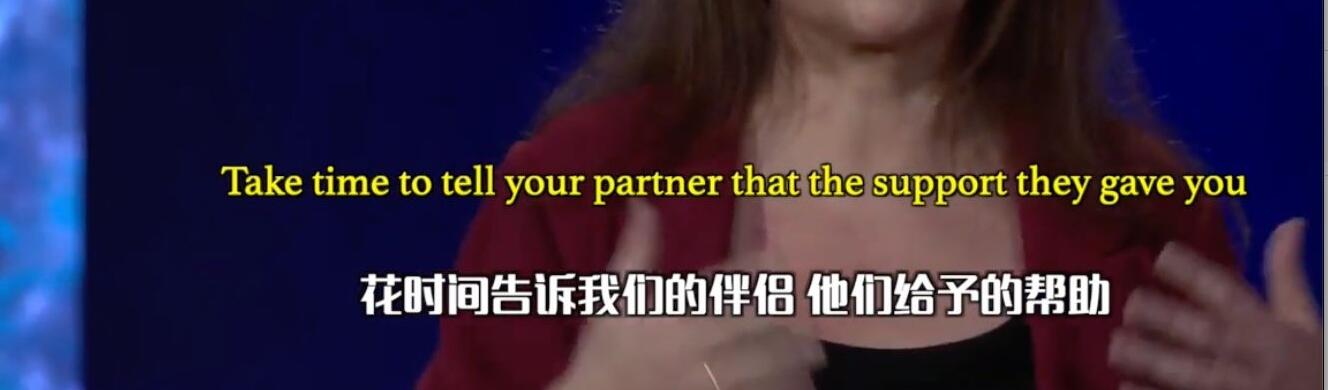
But you know what else they do? They follow up. Donors actually get letters from the kids in the classroom. They get pictures. They get to know that they made a difference. And this is something we need to all be doing in our everyday lives, especially if we want people to continue to give us help over the long term. Take time to tell your colleague that the help that they gave you really helped you land that big sale, or helped you get that interview that you were really hoping to get. Take time to tell your partner that the support they gave you really made it possible for you to get through a tough time. Take time to tell your catsitter that you're super happy that for some reason, this time the cats didn't break anything while you were away, and so they must have done a really good job.
但,你知道它们还会做什么吗? 后续追踪。 捐赠者会收到班上孩子写来的信。 他们会收到照片。 他们能知道他们造成了不同。 我们所有人在日常生活中 都应该要这么做, 这样我们才能让别人 长期继续提供我们协助。 花点时间,告诉你的同事, 他们给你的协助真的 让你成交了一笔大生意, 或是让你取得了 你一直盼望的面试机会。 花点时间,告诉你的另一半, 他们给予你的支持 真的帮助你渡过低潮。 花点时间,告诉帮你照顾猫的人, 你超级开心,因为出于某种原因, 这次你出远门时, 你的猫没有打破任何东西, 所以一定是他们把猫顾得很好。
The bottom line is: I know -- believe me, I know -- that it is not easy to ask for help. We are all a little bit afraid to do it. It makes us feel vulnerable. But the reality of modern work and modern life is that nobody does it alone. Nobody succeeds in a vacuum. More than ever, we actually do have to rely on other people, on their support and collaboration, in order to be successful.
结果就是: 我知道——相信我,我知道—— 要开口求助并不容易。 我们都有一点害怕求助。 求助让我们感到脆弱。 但,现代工作 和现代生活的现实就是, 没有人能只靠自己。 没有人能独自一人成功。 我们比以往更需要仰赖其他人, 仰赖他们的支持和合作, 才有可能成功。
So when you need help, ask for it out loud. And when you do, do it in a way that increases your chances that you'll get a yes and makes the other person feel awesome for having helped you, because you both deserve it.
所以,当你需要协助时, 只管大声说出来。 当你求助时, 要用能让对方更有可能 答应的方式来求助, 并且让对方觉得 能帮到你是件很棒的事, 因为这是你们双方都应得的。
[站内视频链接]:

------------------
公众号文章:
英文文稿:
网页链接;mid=100002303&idx=1&sn=a3d30f1961e7e7cf4f0e4f4a37161d94&chksm=7b9784834ce00d951258dcc48aa299a37e299ba8109ae2e1fdcb7718c10e1c095472a2e56ef5#rd
-------------------
或
(保存下方二维码至相册,微信扫一扫即可关注微信公共号)回复"131"即可获取资料,包括单词筛选结果,英文文稿,音频,及下载.

微信公共号搜索:TEDPush演讲,即可关注
