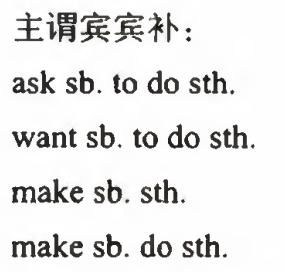

按照动词的意义可以分为实义动词,情态动词,系动词,助动词
行为动词= 实意动词,即行为动词,表示动作的动词。它是意思完全,能独立用作谓语的动词,包括及物动词、不及物动词。一般情况下,实意动词在句子里要重读,但是be动词和其它连系动词在句子里一般不重读。

及物动词
后面必须跟宾语意义才完整的实义动词,叫做及物动词(transitive verb)。如:
I believe that the committee will consider our suggestion.我相信委员会将会考虑我们的建议。
“How long can I keep the book ?”Harry asked.哈里问:“这本书我可以借多久?”
Dr. Bethune set us a good example. 白求恩大夫给我们树立了好榜样。
Crude oil contains many useful substances.原油含有许多有用的物质。
不及物动词
本身意义完整后面不须跟宾语的实义动词,叫做不及物动词(intransitive verb)。如:
Birds fly.鸟会飞。
It happened in June 1932.这件事发生于一九三二年六月。
My watch stopped.我的表停了。
She spoke at the meeting yesterday evening. 她在昨天晚上的会上发了言。
这类词不是很多: come /go./agree/disagree/arrive./work./die./lie/live/swim/rise/
succeed. /listen ./ look ./ sit / smile ;/ cry ./ sail happen ./ occur. / arise ./ belong ./ exist . /survive. / hurry, fly,roll, stay, communocate.travel ./ fight ,struggle , graduate , nod,skate ,fall ,flow ,cycle. boil,compete. , deal ,. respond , specialize,respond , react, quarrel , stare , stare,scream, flee, slip ,differ, hesiteate ,escape 等。
有些动词又可以及物又可以不及物 begin, start, answer, say 等
系动词
系动词,也称连系动词(Linking Verb),是用来辅助主语的动词。它本身有词义,但不能单独用作谓语,其后必须跟表语,构成系表结构说明主语的状况、性质、特征等情况。
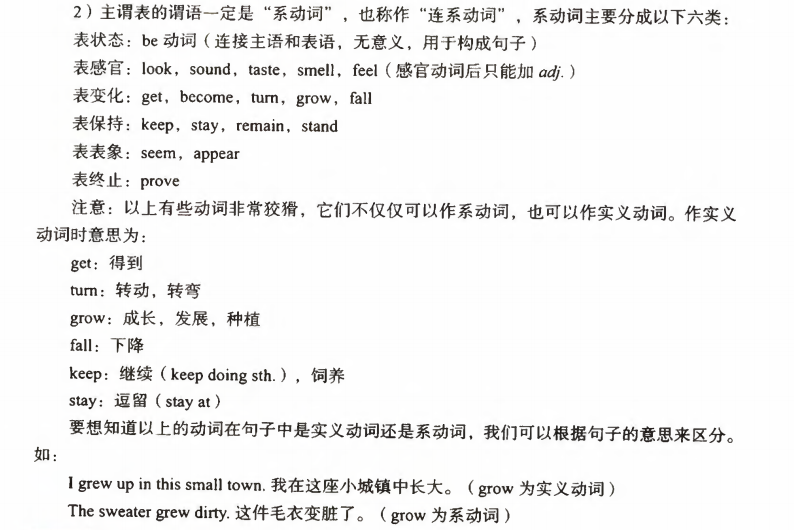
一个“是”:即be,其具体形式有am, is, are, has been, have been, had been, was, were, should be, will be等。
三个“保持”:即keep, remain, stay.此外, rest, lie, stand同样有“保持”之意。
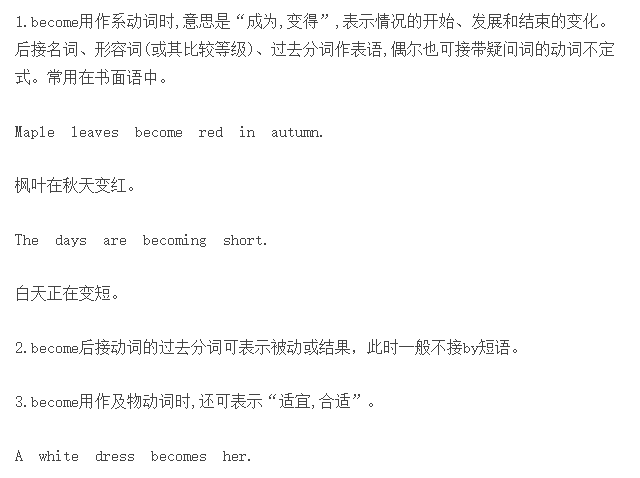
五个“变化”:become, grow, turn, fall, get, go, come, run,此外还有:fall,come,run等。
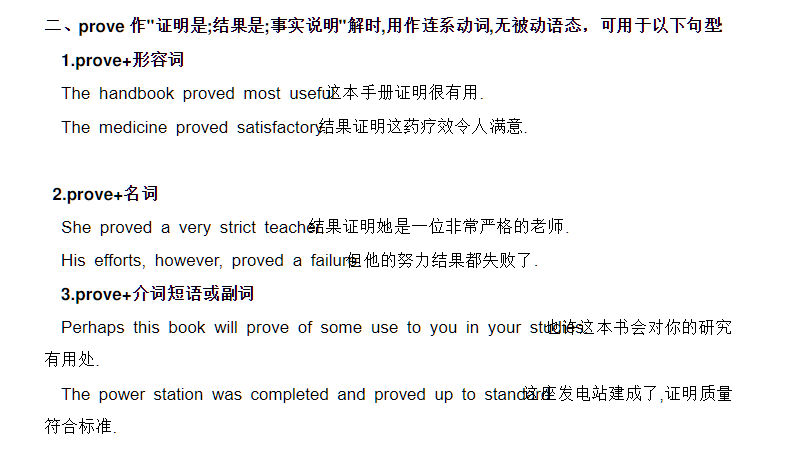
终止系动词:prove, turn out(结果是,证明是。如:All things proved false.所有的情况原来是假的。
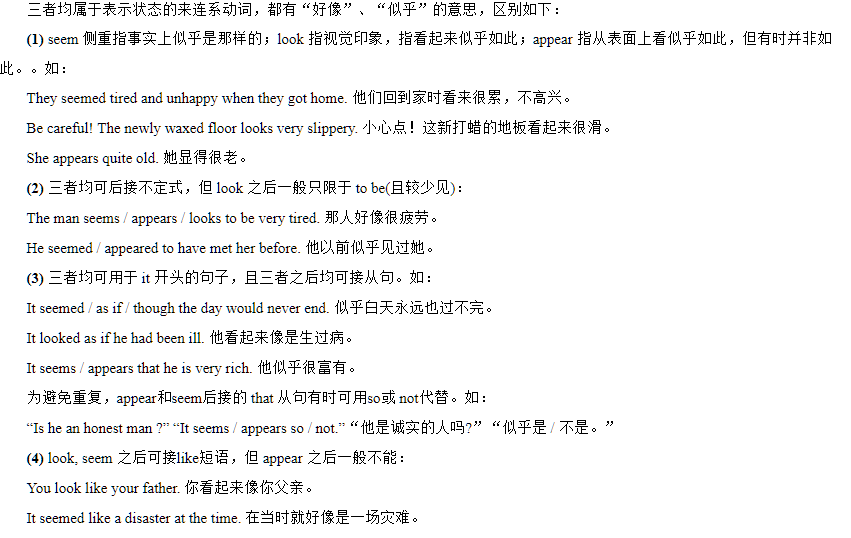
像类系动词,即表示“,似乎,好像”,主要有seem, appear, look等.如:He looks tired.他看起来很累.He seems (to be) quite happy.他好像很快活.He appeared quite well.他显得身体相当好。感官系动词,我们用五个“起来”串联。即:feel(摸起来,感觉),smell(闻起来),sound(听起来),taste(尝起来,吃起来),look(看起来)。
fall asleep
The child soon fell asleep. 孩子很快睡着了。
While he was studying, he fell asleep. 他念书念得睡着了。
He fell asleep with the light still burning. 灯还开着他睡着了。
He said that if he fell asleep at the wheel she was to wake him up. 他说,如果他在开车时打瞌睡,她必须把他叫醒。
fall ill
Tom suddenly fell ill yesterday. 汤姆昨天突然病了。
He has fallen ill. 他病了。
He was to have been the new ambassador, but he fell ill. 他本来要出任新大使,但是病倒了。
was/were to have done:表示过去本打算做某事,结果计划事情没有实现
fall silent
He fell silent. 他静了下来。
At the President’s entry everyone fell silent. 总统进来时大家都安静下来。
fall a victim
He fell a victim to her charms. 他成了她魅力的受害者。
Lots of people fell victims to fascism. 许多人成了法西斯的受害人。
fall prey
The zebra fell prey to the lion. 那斑马被狮子捕食。
She was prey to irrational2 fears. 她遭受着无端恐惧的折磨。
fall 作动词时,表示“落下”,常可与形容词(但不与其比较级)连用,表示“进入某种状态”,起着连系动词的作用。例如:
He fell ill (或 sick). 他病倒了。
When do the rates (或 taxes) fall due? 捐税该在什么时候支付?
At the President's entry everyone fell silent. 总统进来时大家都沉默不语。
(2) fall 作为连系动词,间或也可与名词连用,表示“成为”等。例如:
She falls an easy prey to deception. 她很容易受骗上当。
He fell heir to his uncle's riches. 他成为叔父财富的继承人。
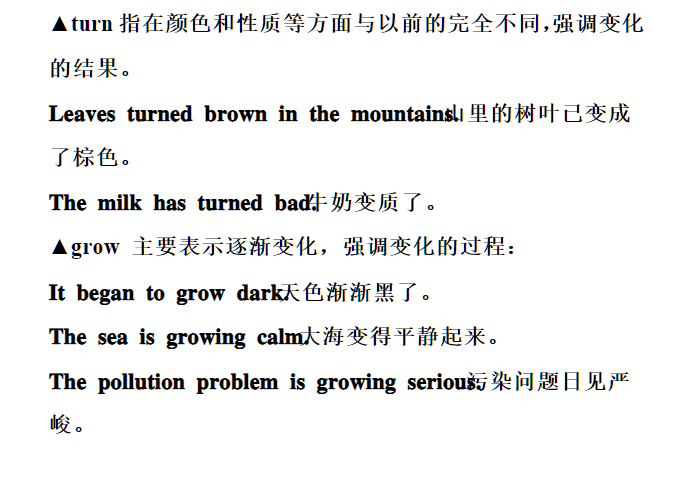
turn表示“变得”,通常强调与原来的属性不同了,常常表示颜色、性质、状态等发生的“显而易见的变化”:
Leaves turn yellow in fall. 树叶在秋天会变黄。
get 通常表示温度、时间、岁数等变化,动作也已完成,和 become 相比更加口语化:
He did business and got rich. 他做生意发了。
get 通用
grow 表示“逐渐变得”,常需要经历一个过程,慢慢地变化,所以常用来表示身高、岁数、经验等的改变: 生理上的变化
She has grown much taller. 她长高了很多。
go 表示“变得(糟糕)”,常见于“负能量的”形容词,如 bad、angry、blind、hungry 等 。
become 表示“变成”,比较正式,通常表示“变”这个动作已经完成:
He had a long walk and became tired. 他走了很远的路,累了。

remain作为系动词,表示“保持”、“仍然是”,“依旧是”,后接形容词、名词、动词不定式、现在分词、过去分词或介词形容词短语作表语,指某人或某事物仍保持某种状态。

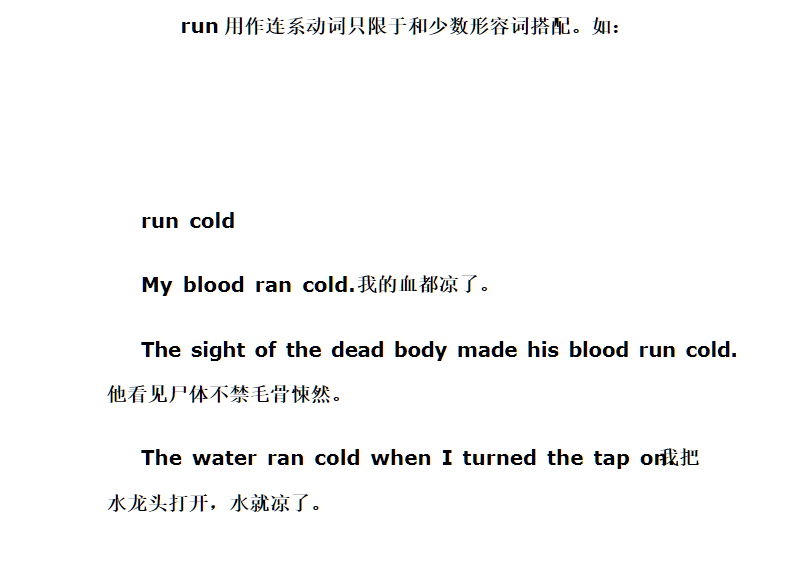
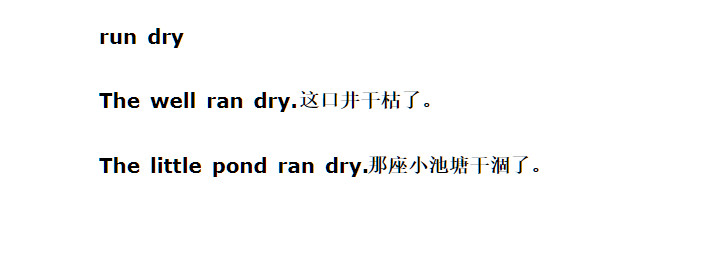
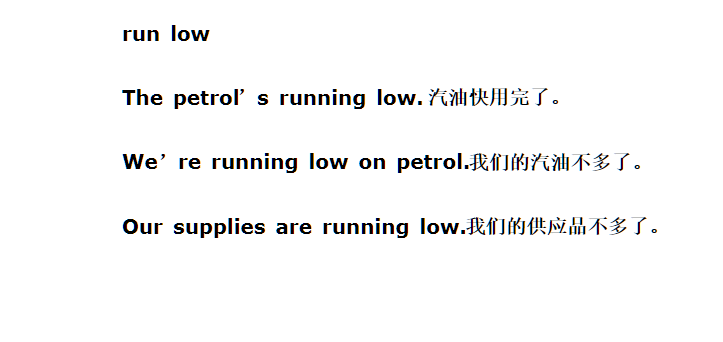
run 有时也可用作系动词,表示“变成(什么样子)”,相当于 become, 后面只能跟少数形容词。如:
The well ran dry. 井干涸了。
My blood ran cold. 我的血变凉了。
I have run short of money. 我缺钱用了。
These shirts run small. 这些衬衫小了。
Feelings against him ran high. 反对他的情绪高涨。
Our supplies are running low. 我们的供应品不多了。
The crowd ran riot in the streets. 群众在街上乱跑。
The violets are running wild in the flower bed. 紫罗兰在花圃里乱长。
The tide was running strong. 潮水上涨了。
The disease is running rife in the slums. 在贫民区这个疾病猖獗。
△偶跟副词或介词短语:
My contract runs out in September. 我的合同九月份到期。
Our supplies soon ran out. 我们的供应品很快用完。
The truck’s run out of gas again. 卡车又没有汽油了。
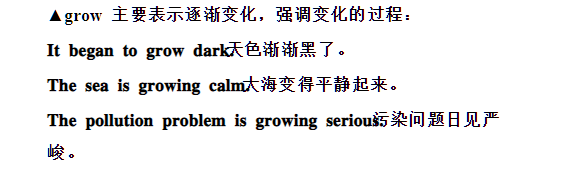
(3)grow有“逐渐变化”的含义,强调变化的过程。
grow tall长高;grow louder(声音)大起来
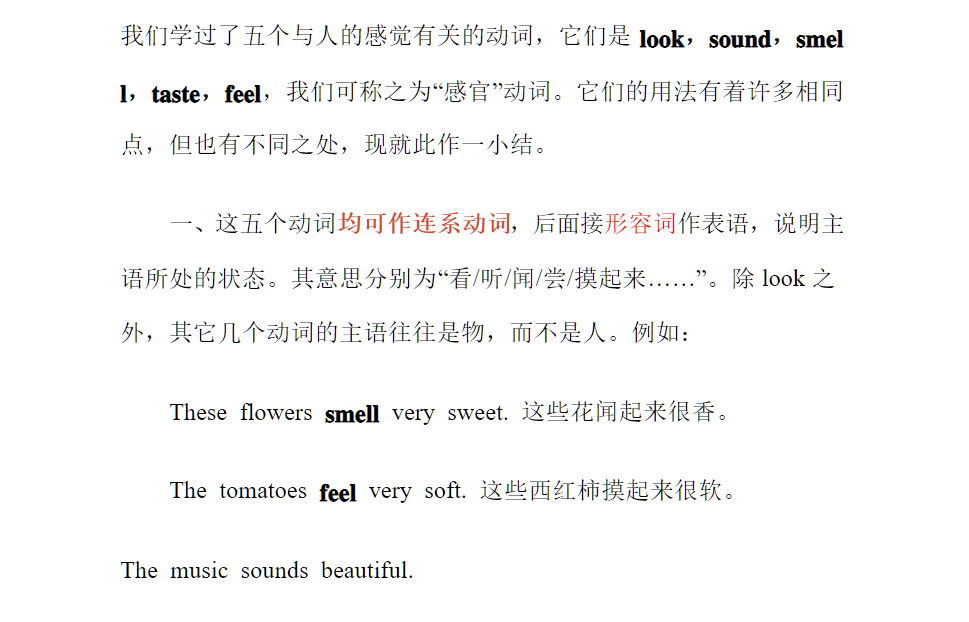
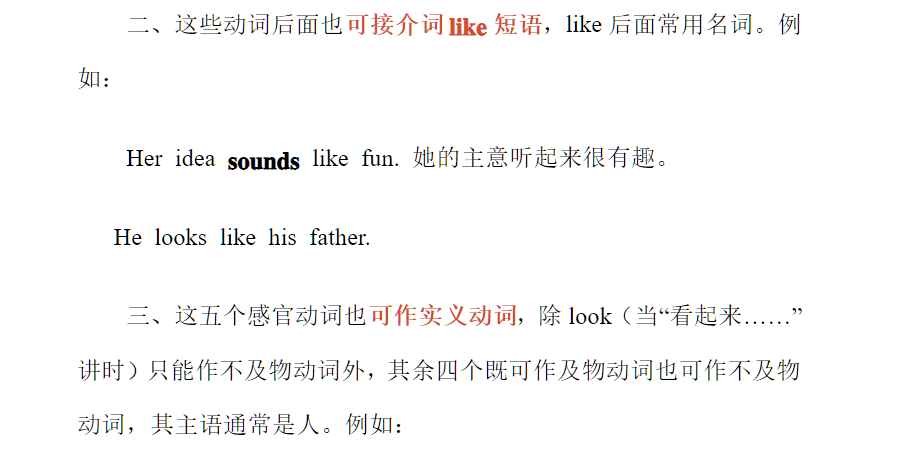
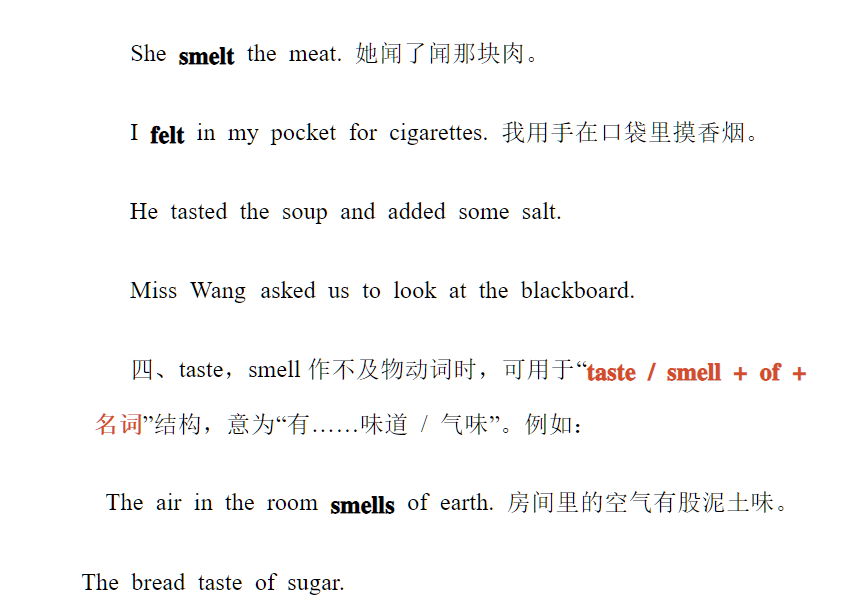
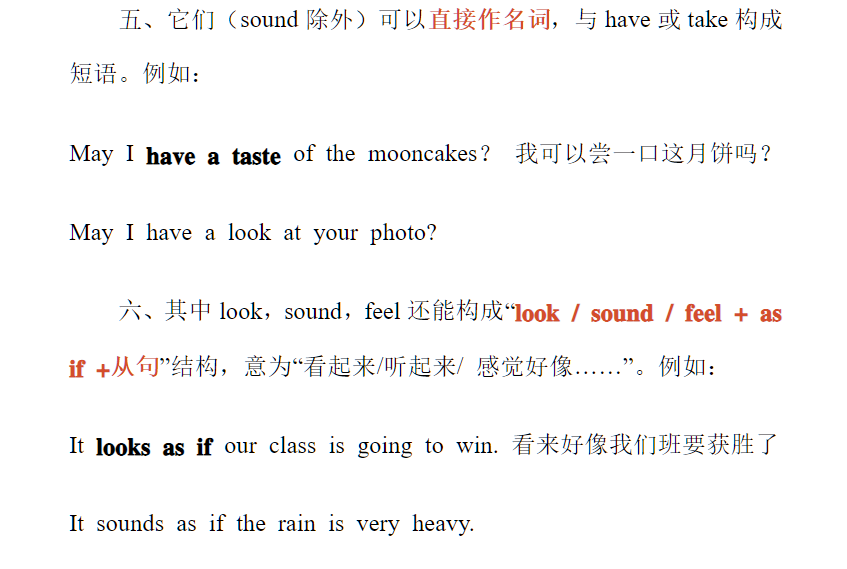
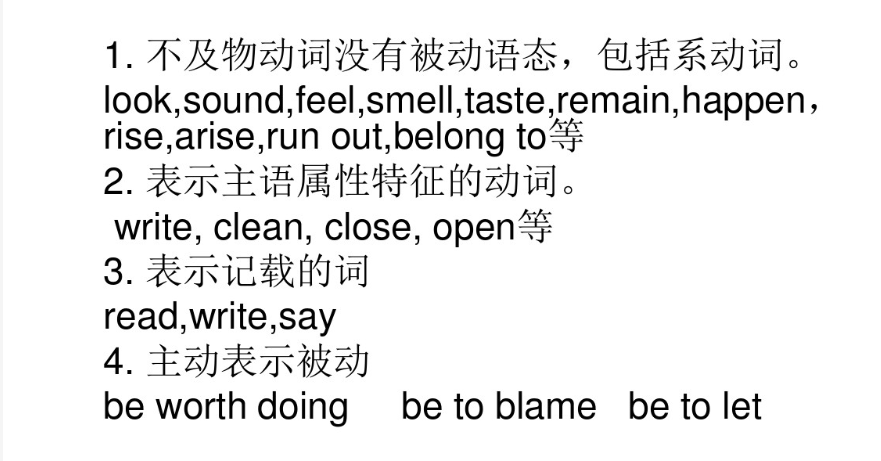
look, sound, smell, taste, feel的用法:
1、通常以被感觉的东西作主语,虽有被动词味,但不用被动语态。
感官动词无被动
表终止
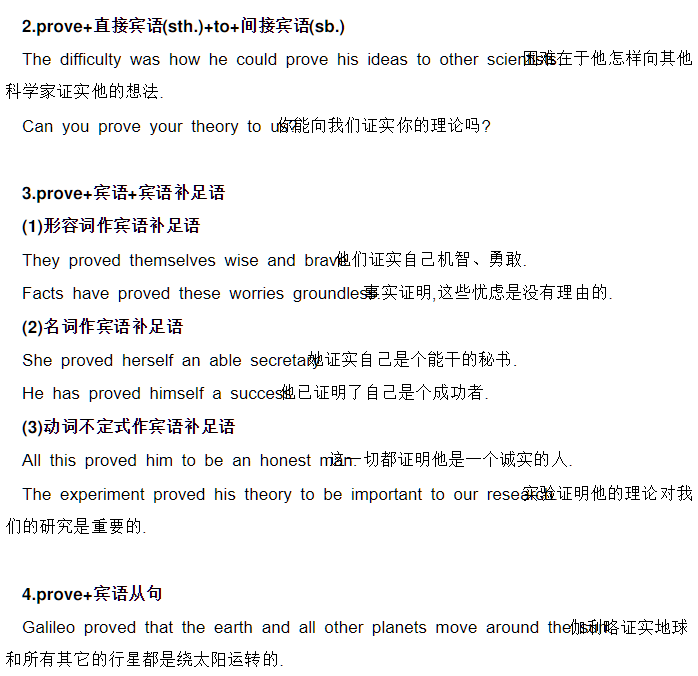
become和turn,都是表示“变化意义”的系动词。
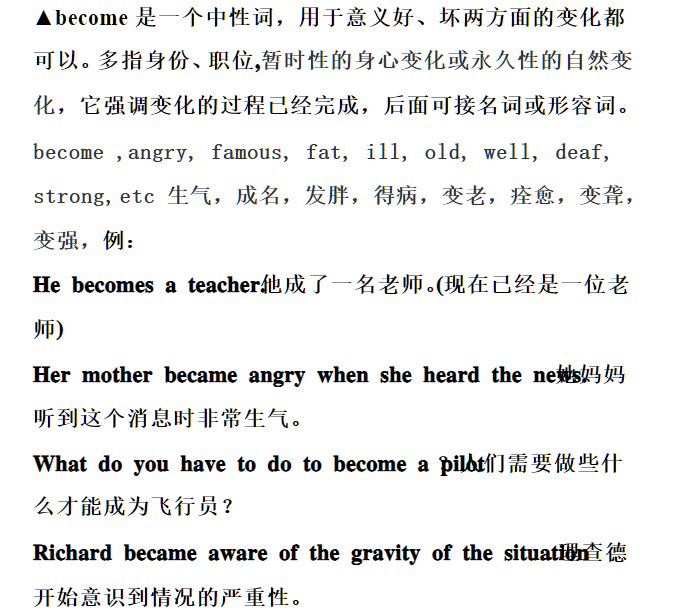
▲ become 主要指一个人暂时性的身心变化或永久性的自然变化。如:angry, excited, famous, mad, fat, ill, old, well, deaf等。它跟get 表示“变化意义”的用法十分接近:
We use “get” with adjectives to mean “become”. For example, if someone gets cold, they become cold, and if they get angry, they become angry.
She has become familiar with the house. 她对这房子已变得很熟悉。
The man became crazy when he heard the news. 那人听到这个消息时变得发疯了。
另外,become还可用于指天气的变化和事物发展的趋势。如:fine, cold, dark, cloudy, common, good, bad, terrible等。
In a world that had suddenly become alien and dangerous, he was her only security.
在一个突然变得陌生而危险的世界里,他是她唯一的守护神。
Divorce is becoming more and more common. 离婚现象越来越常见了。
During the 1980s the world's financial systems became more open. 在20世纪80年代,世界金融体系变得更加开放。
【特别注意】当表语是名词时,become的意思是“成为”,例如:
He aims to become a computer expert. 他打算当一名电脑专家。
The Internet has become part of everyday life. 互联网已成为日常生活的一部分。
I see he's become a family man. 我发觉他已变得很恋家(成为宅男)。
▲ turn 主要用于天气以及颜色的变化。如:
The weather had turned warm and thundery overnight. 天气一夜之间就转暖,而且雷声阵阵。
The sea would turn pale pink and the sky blood red. 大海会变成浅粉色,天空则变成血红色。
She turned pale at the news. 她听到这个消息脸色变得苍白。
His hair was turning grey. 他的头发慢慢地变白了。
The leaves on the tree turned yellow in the fall. 树上的叶子在秋天变黄了。
【特别注意】turn之后既可跟形容词,也可跟名词作表语。如果接名词,这时名词不要带任何冠词。而且,这个名词表示的意义往往是贬义的。例如:
He turned traitor to his country. (不说:a traitor)
The boy turned thief at last. (不说: a thief)
come 加好事 ,go加坏事
come 和 go 都可用作连系动词,表示事物状态的变化。
The handle has come loose。 这个把柄松了。
This envelope has come unstuck。 这封信开了。 Wrong never comes right。 错的永远不会变成对的。 Your shoe-laces have come undone。 你的鞋带散了。 The package is about to come unwrapped。 那个包快散开了。
The children went wild with excitement。
lie 进入某种状态表示系动词
be, remain or be kept in a certain state 在、留在或保持在某种状态:
snow lying thick on the ground 地面上厚厚的雪
These machines have lain idle since the factory closed. 这些机器自工厂关闭以来一直闲置着。
I'd rather use my money than leave it lying in the bank. 我宁可把钱花了也不想存在银行里。
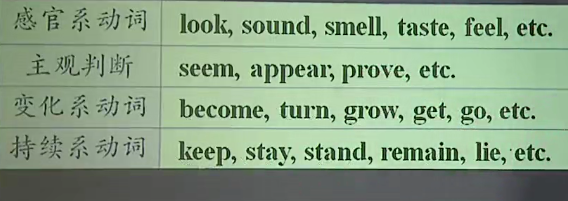

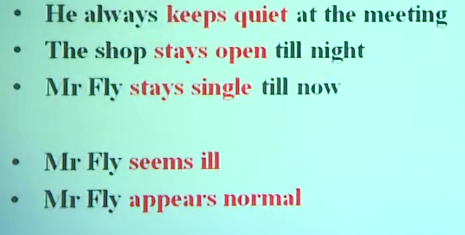
stay 有逗留,保留,停留这几个意思。作为及物动词,可以单独使用,常用结构 stay to do sth.留下来做……。例如,Sorry ,I am too busy to stay.对不起我太忙了,不能留下。He stayed to take care of the baby.他留下来照顾宝宝。作为系动词时,意思为“保持……的状态”,后面接名词,形容词作为表语,强调一种状态。例如:Stay smart and dilient.保持聪明勤奋。He stays my best friend forever.他永远是我最好的朋友。其次stay 也可以作为名词,表示逗留。例子:We only want to make a short stay here.我们只想在这里做短暂的逗留。 be, keep , stay ,seem ,appear, 看上去 ,
seems 似乎
感官系动词
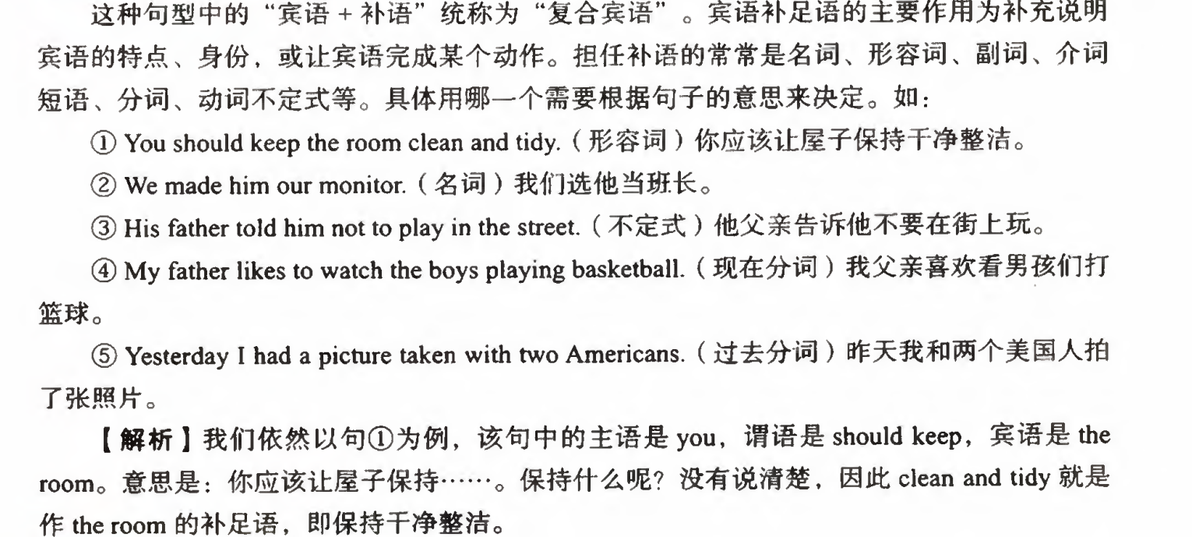
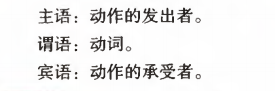
英语句子的基本结构
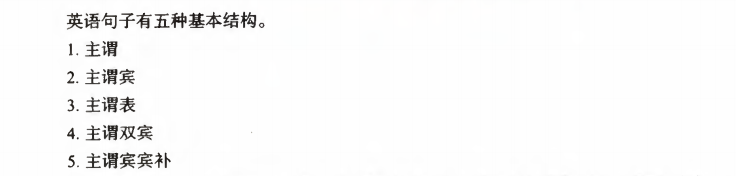
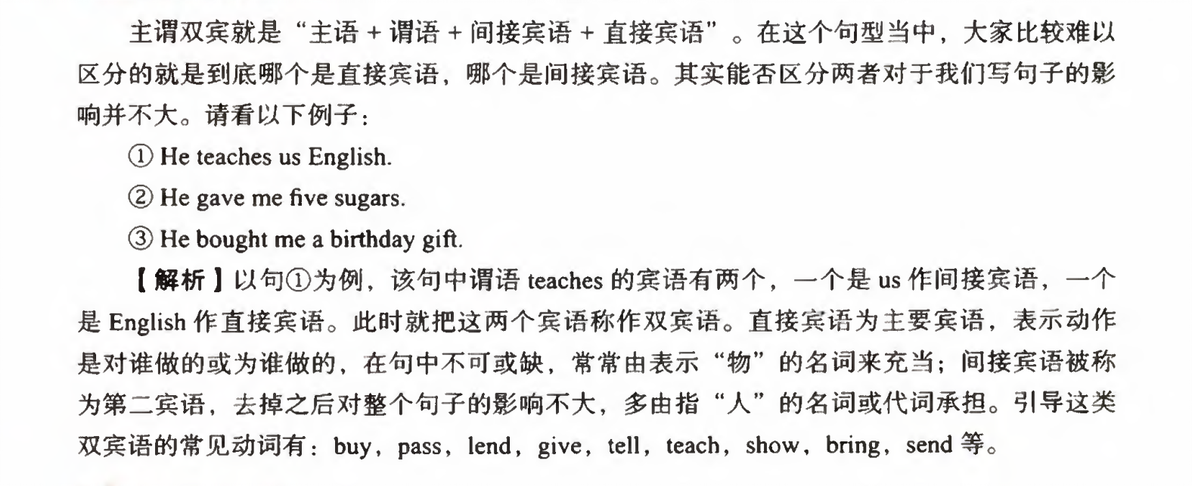
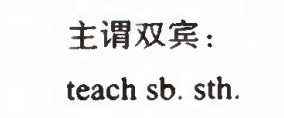
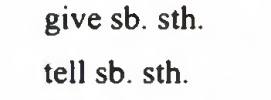
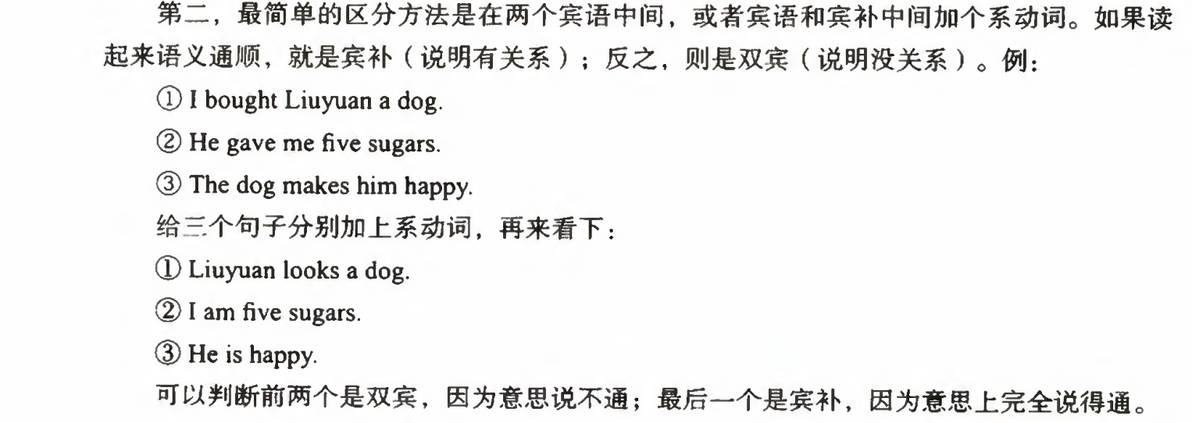
主谓双宾词
我想为2113他挑选一份合适的礼物。
I want to choose a suitable present for him.
2. 太阳给了5261我们4102光和热。
The sun gives us light and warmth .
3. Mr smith教我们数学。
Mr smith teaches us math.
4. 那个老人给我们指路。1653
The old man showed us the way.
5. 请在本周末把所借的书都还给图书。
Please return all the books to the library by this weekend.
6. 为了你, 我愿意做一切事情。
I’ll do everything for you.
7. 请借我些钱, 行吗?
Please lend me some money, will you?
8. Mary写了封信给Tom。
Mary wrote Tom a letter.
9. 医生治好了他的病。
The doctor has cured him of his disease.
主谓双宾词:award, buy, give, leave, lend, offer, pay, show, teach, tell,make等