
在浩瀚神秘的海洋中,浮游生物是隐藏的主角。它们微小、难以察觉,却在海洋生态系统中扮演着至关重要的角色。
🌊 你可能听说过哲水蚤、剑水蚤这些“大众脸”,但在桡足类的庞大家族中,还有一类鲜为人知的“隐形怪兽”——怪水蚤Monstrilloids。
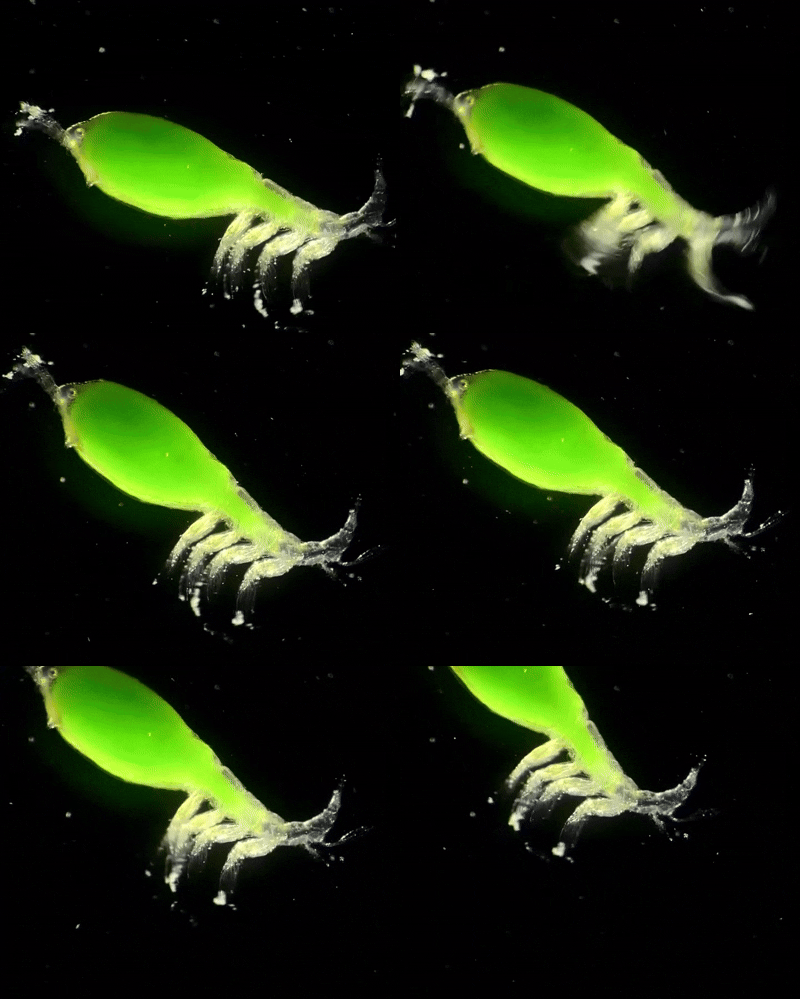
图1 正在游动的怪水蚤
引自 Instagam Igor Adameyko,https://www.instagram.com/the_story_of_a_biologist/reel/DLza-WSt526/
一、浮游动物中的“小透明”
怪水蚤用于指代桡足亚纲Copepoda怪水蚤目Monstrilloida的所有物种,它们幼体时寄生在底栖无脊椎动物体内,如多毛类腹足类,成年才突然现身水中,短暂的交配繁殖后便归于尘埃。在一般的生态调查中很难采集到它,因此很多人都没见过到该类群的样品。
怪水蚤属Monstrilla Dana, 1849的名字源自拉丁文“monster”,意为“怪兽”。这并不是因为它们长相恐怖,而是因为它们拥有与其他浮游动物截然不同的身体结构而让人困惑:1)成体没有第二触角和口部附肢;2)第一触角是明显直的(除雄性外)和前向的。
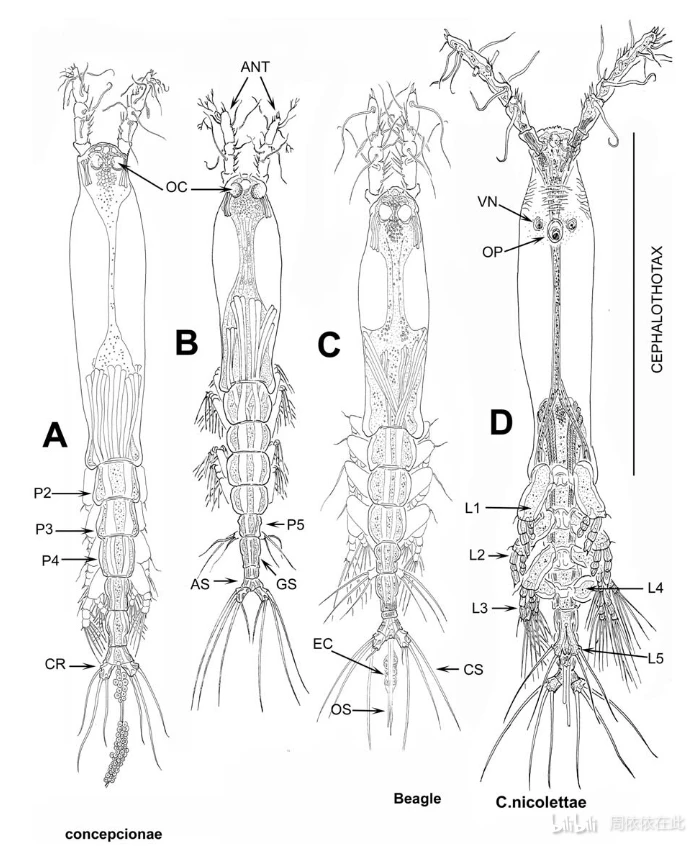
图2 雌性怪水蚤目身体形态 A-D 为不同种类的怪水蚤.
ANT=第一触角,AS=尾节,CR=尾叉,CS=尾刚毛,EC=卵团,GS=生殖节,L1–L5=第1–5腹足(游泳足),OC=单眼,OP=口管,OS=产卵针,P2–P5=第2–5胸节,VN=腹侧乳头状突起
二、怪水蚤的一生
感染:在无节幼体时用带钩大颚钻进多毛类、腹足类甚至海绵体内。
寄生:在里面连蜕数龄,靠吸食宿主体液攒“能量”,寄生处可能呈现隆起,宿主却可能被“吸到虚”。
成年:破体而出,口部附肢(包括第二触角)直接“脱落”,肠胃“退化”,不再进食;变成无情的交配机器,只靠寄生时期积攒的能量生活。
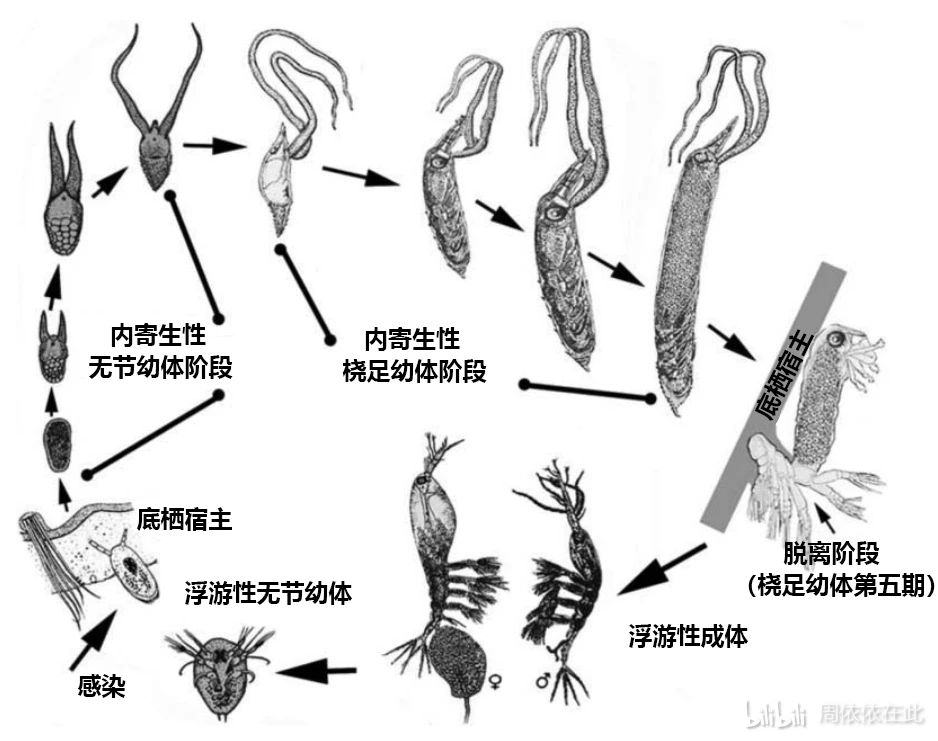
图3 怪水蚤目生活史示意图
(综合 Malaquin 1901;Suárez-Morales et al. 2014;Huys 2014)
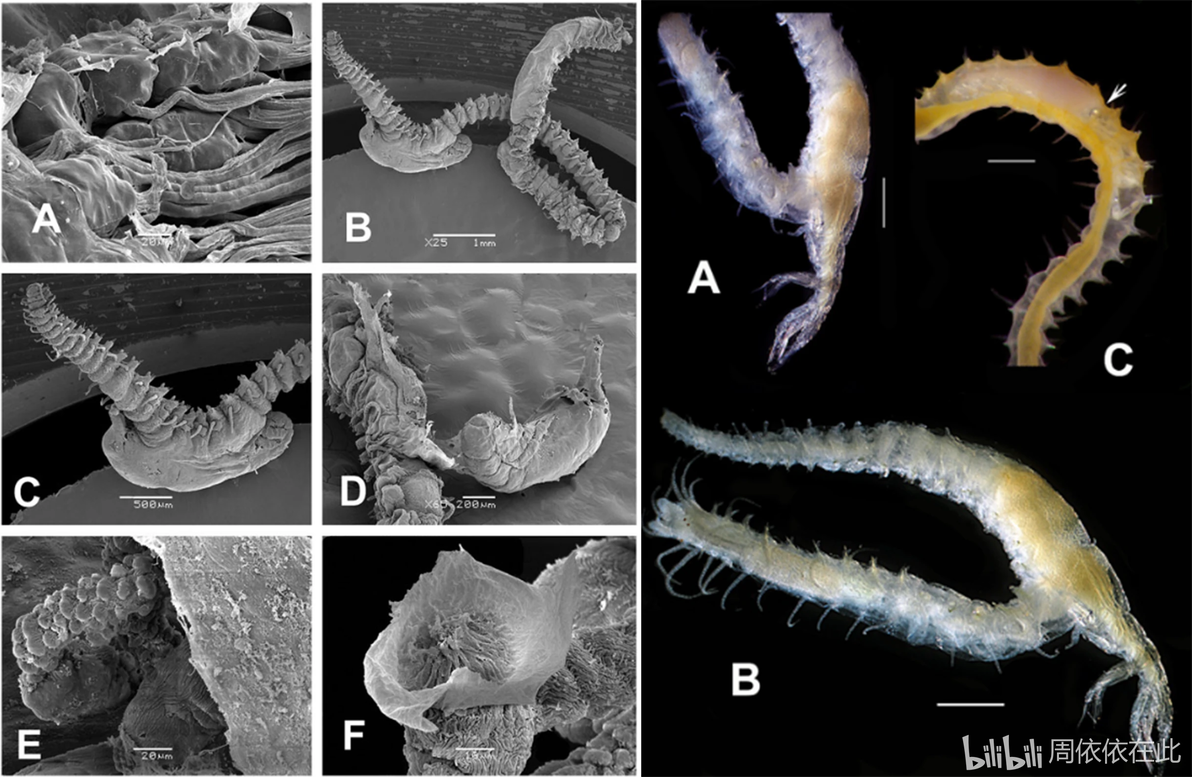
图4 怪水蚤属物种的寄生(Suárez-Morales et al. 2014)
三、硬核育儿:挂卵or抱娃,全看品种
繁殖期来临,海洋中的怪水蚤便会不再进食(口部附肢已经脱落)。它们将全部生命能量用于求偶与繁衍,在这场生命最重要的仪式中,耗尽所有直至终结。
怪水蚤没有卵囊,而是把卵粘在两根“产卵针”上。多数种类“挂卵”后就撒手不管;少数种类 如 Maemonstrilla Grygier & Ohtsuka, 2008 属物种会将卵收进胸节下方,形成独特的“胸抱式育幼”结构,仿佛一位母亲紧紧抱着自己的孩子,在浮游世界中漂流。
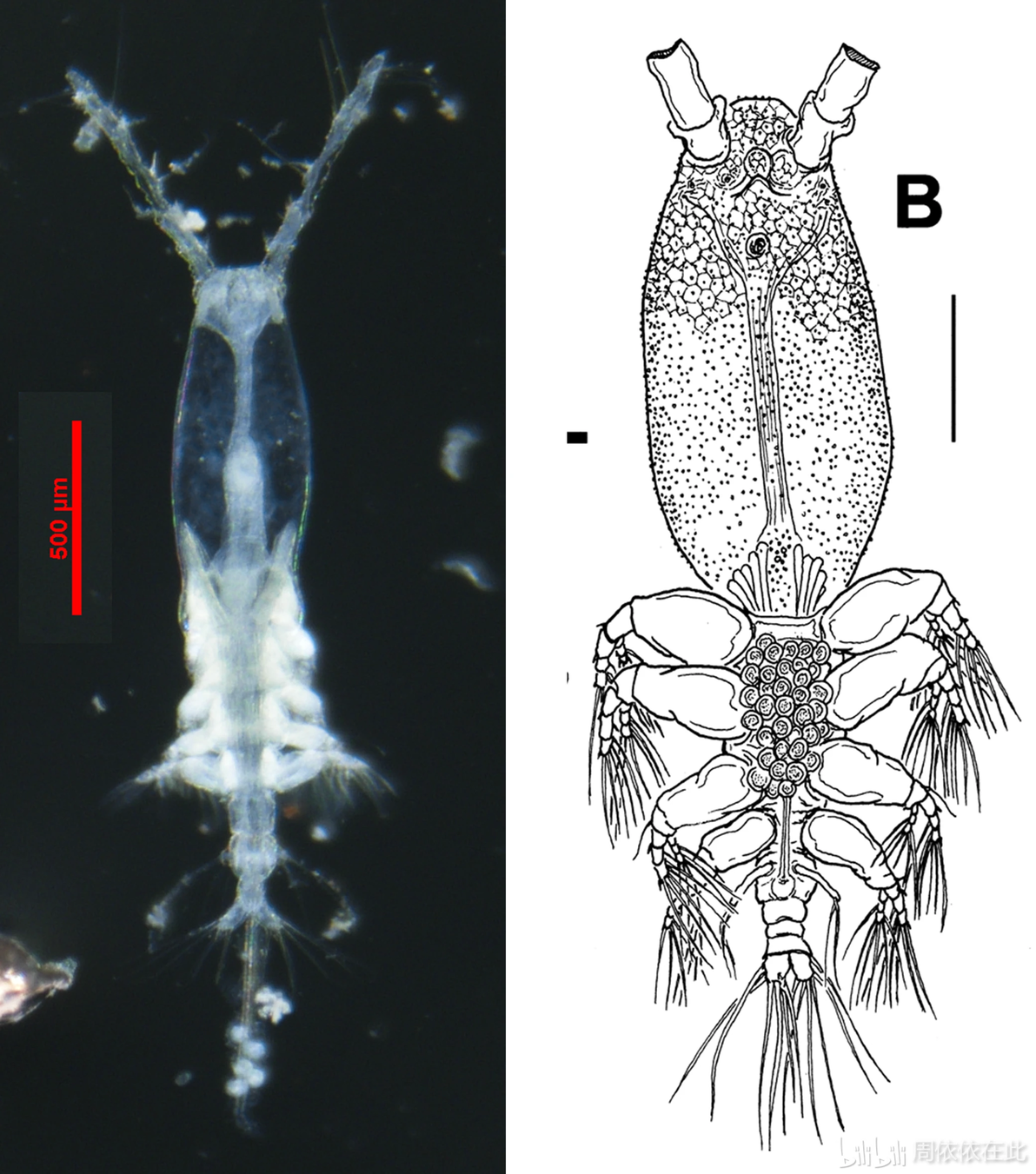
图5 不同的育儿方式
左 Monstrilla属物种 产卵针朝下 右 Maemonstrilla属物种 产卵针朝上
四、生态意义
截至 2024 年底,怪水蚤的生态意义仍停留在“潜在能量载体”与“宿主健康负调节者”的定性描述阶段;尚无文献支持其具有可测量的碳汇、营养升级或生物泵增强作用。
目前的研究重点在于关注怪水蚤的生物多样性等方面,仅有的报道指出怪水蚤属的寄生会引起贻贝的增生和强烈的炎症反应,包括血细胞迁移到被寄生的外套膜区域,造成养殖损失。
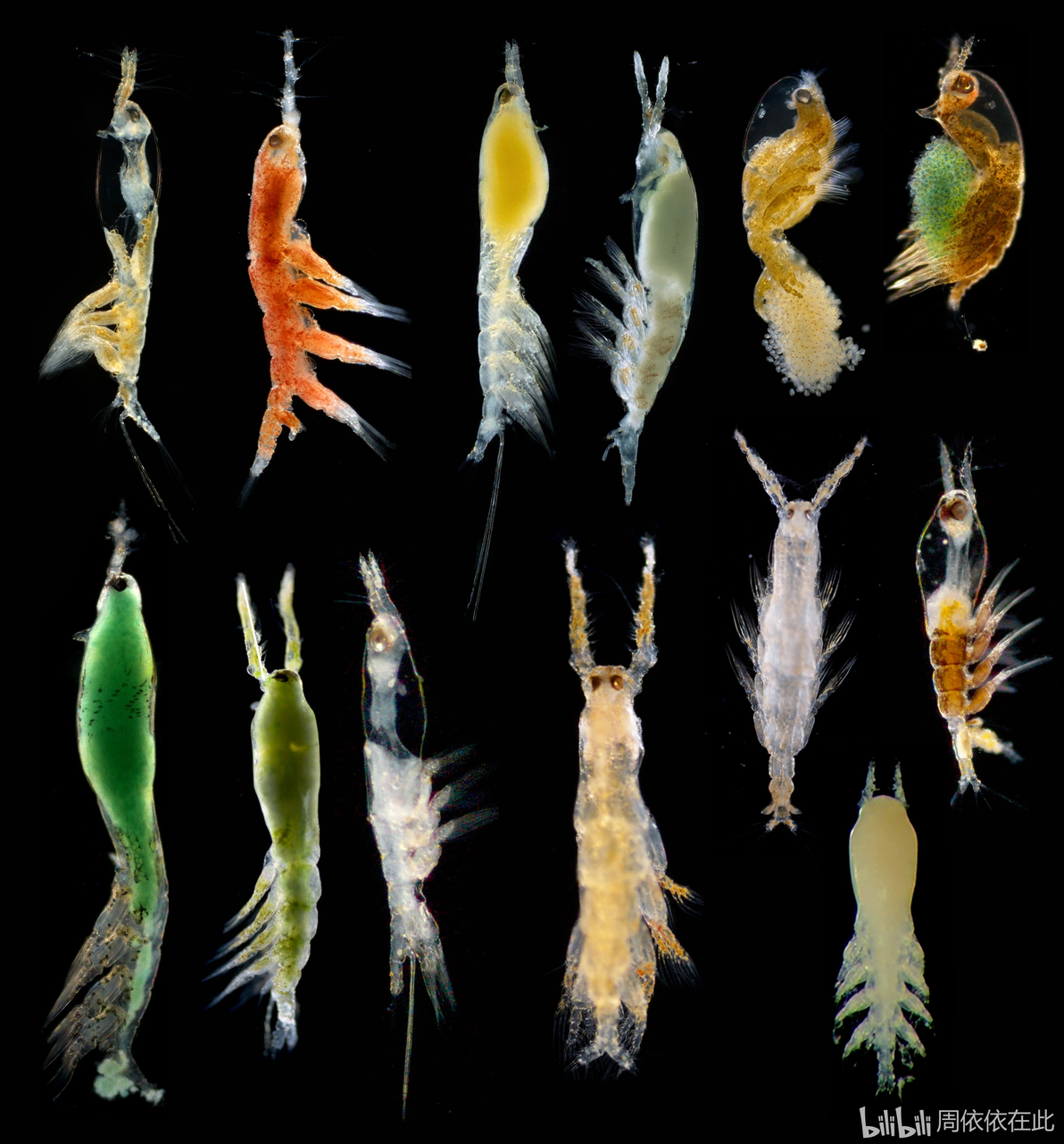
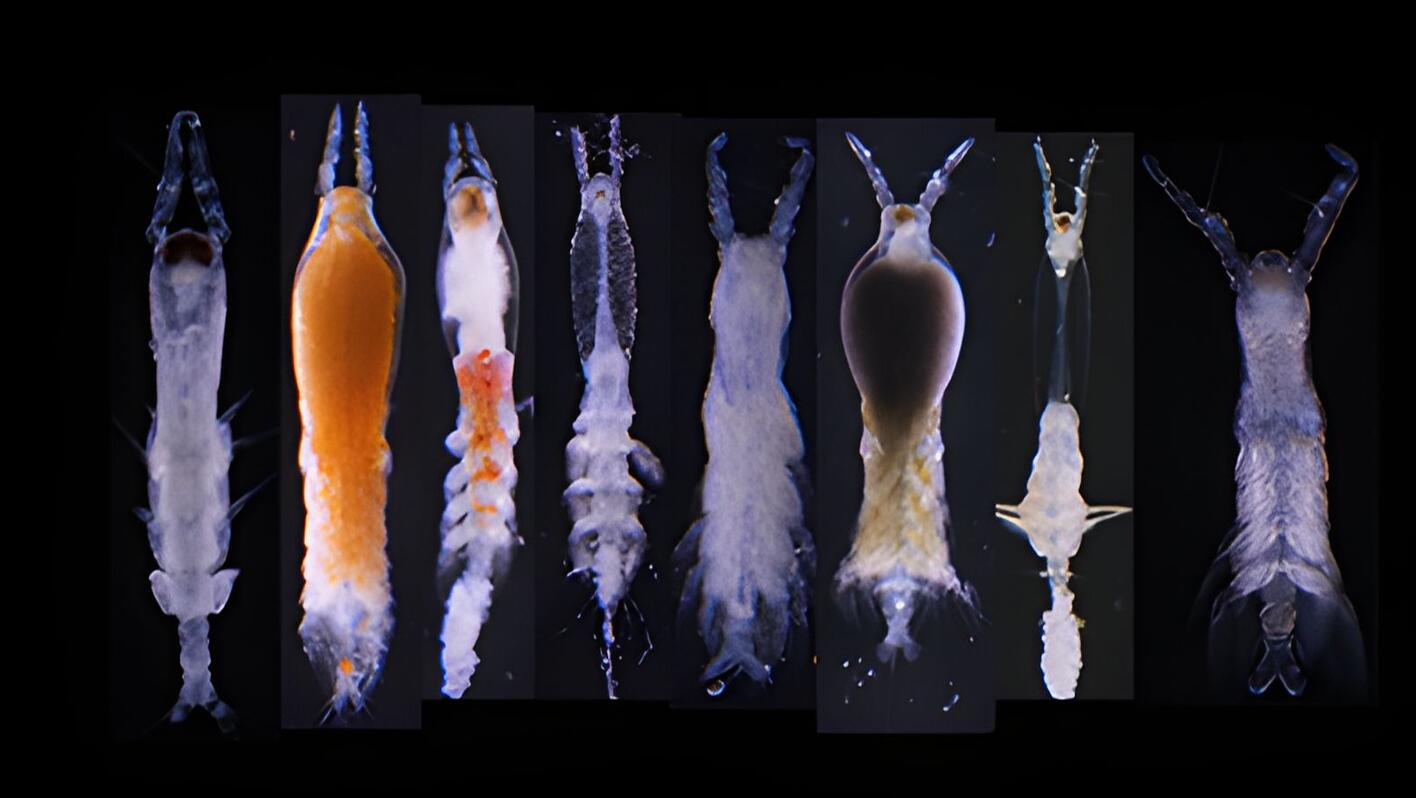
图6 各种各样的怪水蚤
引自 http://plankton.image.coocan.jp/Crustacea2-1-120.html
五、海洋的“隐形主角”,等待被重新发现
难点在哪里?
🔍采样到≈中彩票:幼体躲在宿主组织里,成体在交配季傍晚才会浮游;
🚻 雌雄二态:长得不像,常被当成两种生物,分开描述,同种不同名;
🖋️ 手稿难绘制:表皮修饰多,内部结构复杂,画到怀疑人生。
结语
下一次,你在海边掬起一捧水,看水族馆,或只是刷到一段浮游生物视频,别忘了里面可能正飘过一只的怪水蚤。它们用极端策略在底栖和浮游状态完成生命接力。
在浮游世界里,还有无数像它们一样“看不见的主角”,等着被镜头、被故事、被你我重新发现。
如果你在浮游网采样品中到到过它,欢迎在后台与我们交流!
参考文献:
Bernot JP, Boxshall GA, Crandall KA (2021) A synthesis tree of the Copepoda: integrating phylogenetic and taxonomic data reveals multiple origins of parasitism. PeerJ 9: e12034. https://doi.org/10.7717/peerj.12034
Boxshall GA, Halsey SH (2004) An introduction to copepod diversity. Ray Society, London, 966 pp. Available from: https://www.nhbs.com/an-introduction-to-copepod-diversity-2-volume-set-book (May 18, 2025).
Grygier MJ, Suárez-Morales E (2018) Recognition and partial solution of nomenclatural issues involving copepods of the family Monstrillidae (Crustacea: Copepoda: Monstrilloida). Zootaxa 4486: 497–509. https://doi.org/10.11646/zootaxa.4486.4.5
Huys R, Boxshall GA (1991) Copepod Evolution. The Ray Society, London, 468 pp.
Jeon D, Lee W, Soh HY (2018a) A new genus and two new species of monstrilloid copepods (Copepoda: Monstrillidae): integrating morphological, molecular phylogenetic, and ecological evidence. Journal of Crustacean Biology 38: 45–65. https://doi.org/10.1093/jcbiol/rux095
Jeon D, Lim D, Lee W, Soh HY (2018b) First use of molecular evidence to match sexes in the Monstrilloida (Crustacea: Copepoda), and taxonomic implications of the newly recognized and described, partly Maemonstrilla -like females of Monstrillopsis longilobata Lee, Kim & Chang, 2016. PeerJ 6: e4938. https://doi.org/10.7717/peerj.4938
Jeon D, Song C, Jeong HG, Ohtsuka S, Lee W, Soh HY, Eyun S (2024) An integrated phylogenomic approach for potential host-associated evolution of monstrilloid copepods. In: Oceanography and Marine Biology. Taylor & Francis, 350–375. https://doi.org/10.1201/9781003477518-9
Suárez-Morales E (2011) Diversity of the Monstrilloida (Crustacea: Copepoda). Plos ONE 6: e22915. https://doi.org/10.1371/journal.pone.0022915
Suárez-Morales E (2018) Monstrilloid Copepods: the Best of Three Worlds. Bulletin, Southern California Academy of Sciences 117: 92–103. https://doi.org/10.3160/3646.1
Suárez-Morales E, Harris LH, Ferrari FD, Gasca R (2014) Late postnaupliar development of Monstrillasp. (Copepoda: Monstrilloida), a protelean endoparasite of benthic polychaetes. Invertebrate Reproduction & Development 58: 60–73. https://doi.org/10.1080/07924259.2013.816787
